
Establishing an effective waste bank system across rural Bali requires addressing seasonal trash patterns, structural collection gaps, and deep-seated community mindsets rather than relying solely on surface-level beach clean-ups.
What We See on the Surface
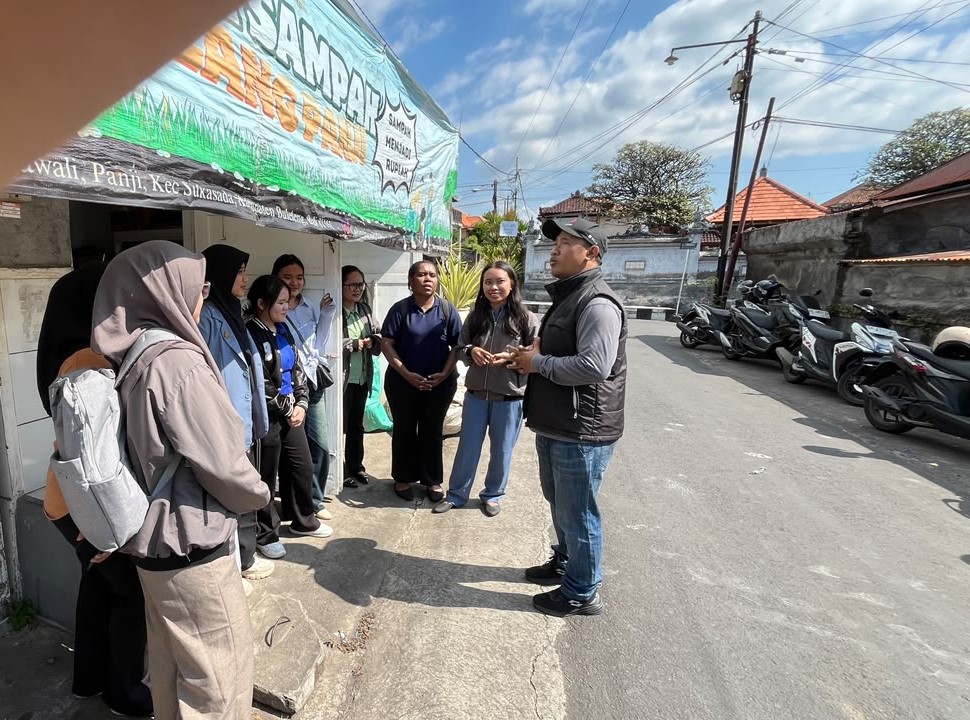
When we see trash piling up on beaches or floating down rivers, our first instinct is to clean it up, but true environmental solutions require looking far beneath the surface. Every rainy season, rivers carry tons of plastic waste right out to Bali’s famous coastline. At the same time, local closures of major landfills leave everyday households struggling to figure out where their daily trash should go, causing some residents to resort to burning plastic in their backyards. These visible issues represent the top layer of the Iceberg Model, a framework used by environmental scientists to show that what we see on the surface is only a tiny part of a much bigger system. While emergency beach clean-ups help in the short term, they only address surface-level symptoms rather than the root cause.
Why Trash Spikes at Specific Times
If you look closer at waste accumulation over time, clear patterns begin to emerge. Plastic bottle and packaging waste rises dramatically during hot weather, traditional holidays, and ceremonial events across Bali. Furthermore, the cash value of recyclable plastic drops during major international holidays like Fasting Month and Chinese New Year, when recycling factories in Java and China temporarily pause operations. Inland river currents also carry unmanaged plastic waste straight to the sea far more aggressively during heavy rains than in dry months. Understanding these recurring trends helps community initiatives, like the Galang Panji Waste Bank in Buleleng, plan ahead by installing river trash booms before heavy rains hit or holding onto sorted materials until market prices bounce back.
The Rules and Systems Shaping Our Habits
Why does trash end up in rivers in the first place? The answer lies in structural gaps within local governance and economy. Unlike major urban centers, many rural villages lack routine household waste pick-up services, leaving residents with few alternatives when local services are unavailable. Additionally, while hard plastic bottles can easily be sold to waste banks, thin plastic bags and snack wrappers fetch extremely low prices (around Rp200 per kilogram), giving people little economic reason to sort them. Even though the Galang Panji Waste Bank has been operating since 2014, it currently serves around 180 regular customers out of a village population exceeding 9,000 residents, highlighting a significant structural gap in community participation.
The Deepest Root of the Problem
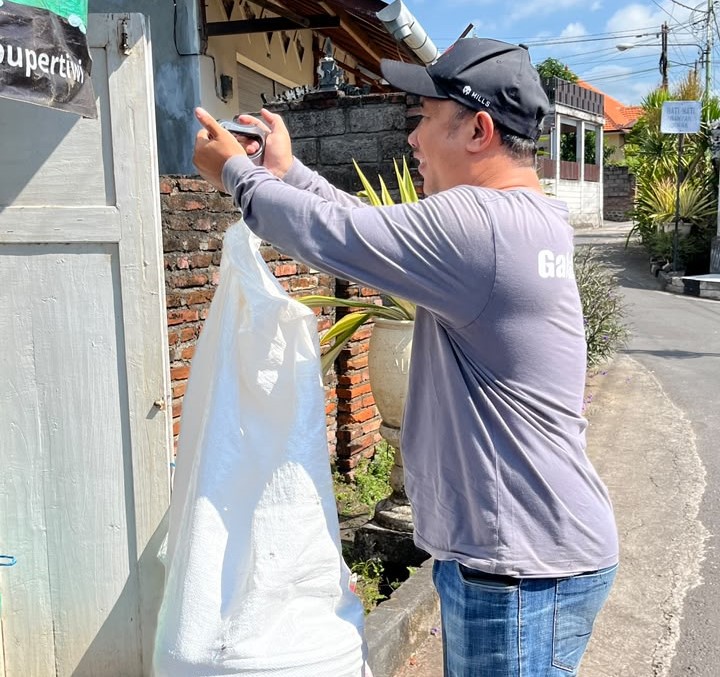
At the very bottom of the iceberg are mental models the deep-seated beliefs, habits, and mindsets held by the community. Many people still view trash as useless garbage to be thrown away or burned, rather than a resource with economic and environmental value. Furthermore, rivers and oceans are sometimes mistakenly viewed as self-cleaning systems that will simply wash waste away forever.
Layered Solutions for Lasting Change
To create a truly sustainable future, communities need to combine quick actions with long-term mindset changes. Short-term responses must include organizing regular beach clean-ups and installing trash-catching nets along rivers before the rainy season starts. Medium-term solutions require strengthening village waste regulations, setting up regular collection schedules, and offering fair incentives for all types of recyclables. Ultimately, long-term education must teach environmental science in schools and communities to reshape how people view waste, turning “trash” into a valuable resource for a circular economy.
Article Contributor: Nahilfa Rahman, Destri Yanti, Rani Amaliya, Triyuri Lestari, Nia Maria, Abenela Nagapa, Ni Komang Nita, Puja Rahmawati