
Implementing a waste management hierarchy and a circular economy is key to maintaining public health and future environmental sustainability.
Waste management is a crucial issue directly related to daily life. Improperly managed waste not only pollutes the environment but can also cause various public health problems. Therefore, understanding of proper waste management methods needs to be continuously improved. One concept that can be applied to waste management is the waste management hierarchy, which involves managing the waste from the earliest stages to the final stages. These seven stages include prevent, reduce, reuse, repair, recycle, recovery, and disposal. By implementing this concept, the amount of waste generated can be minimized from the source.
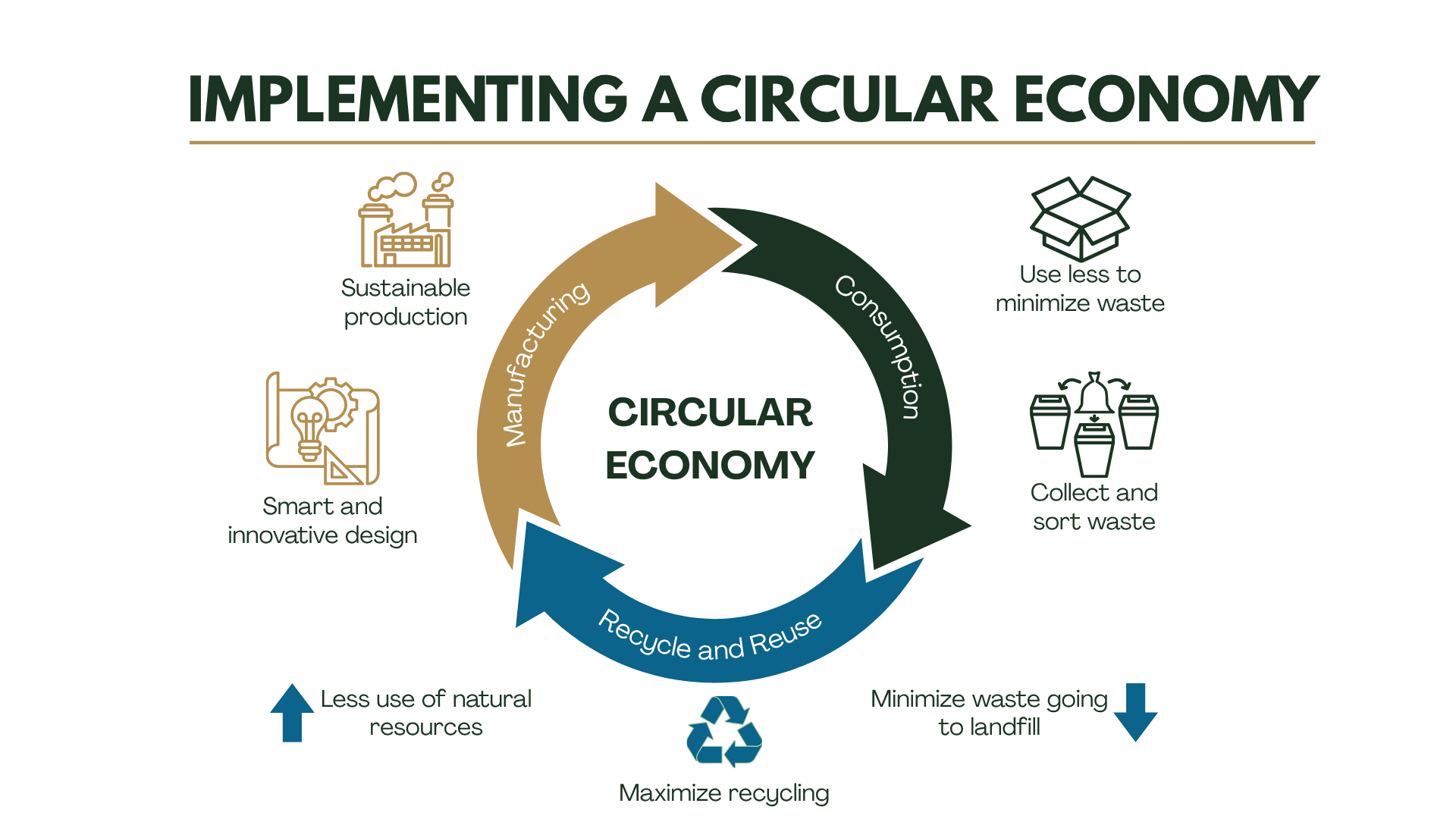
Before delving into the waste management hierarchy, we must understand its basic foundation: the circular economy. Implementing a circular economy is no longer just a trend, but a necessity to keep the earth breathing. Unlike the conventional “take-use-dispose” system, this green cycle rotates endlessly through three main, interlocking stages. It all starts with the Manufacturing process, where creativity is honed through intelligent, innovative product design and environmentally friendly production systems. The product then enters the Consumption stage, where we as consumers are challenged to use goods more wisely to minimize waste, then actively collect and sort the remaining use. This is where the magic continues to the Recycle and Reuse stage. Through this maximization of recycling, we have not only succeeded in curbing the overexploitation of natural resources but also drastically reduced the volume of waste that ends up wasted in landfills (TPA). By consistently turning this wheel, we are turning waste into a blessing while ensuring future sustainability.
Setting Priorities Through the Waste Management Hierarchy
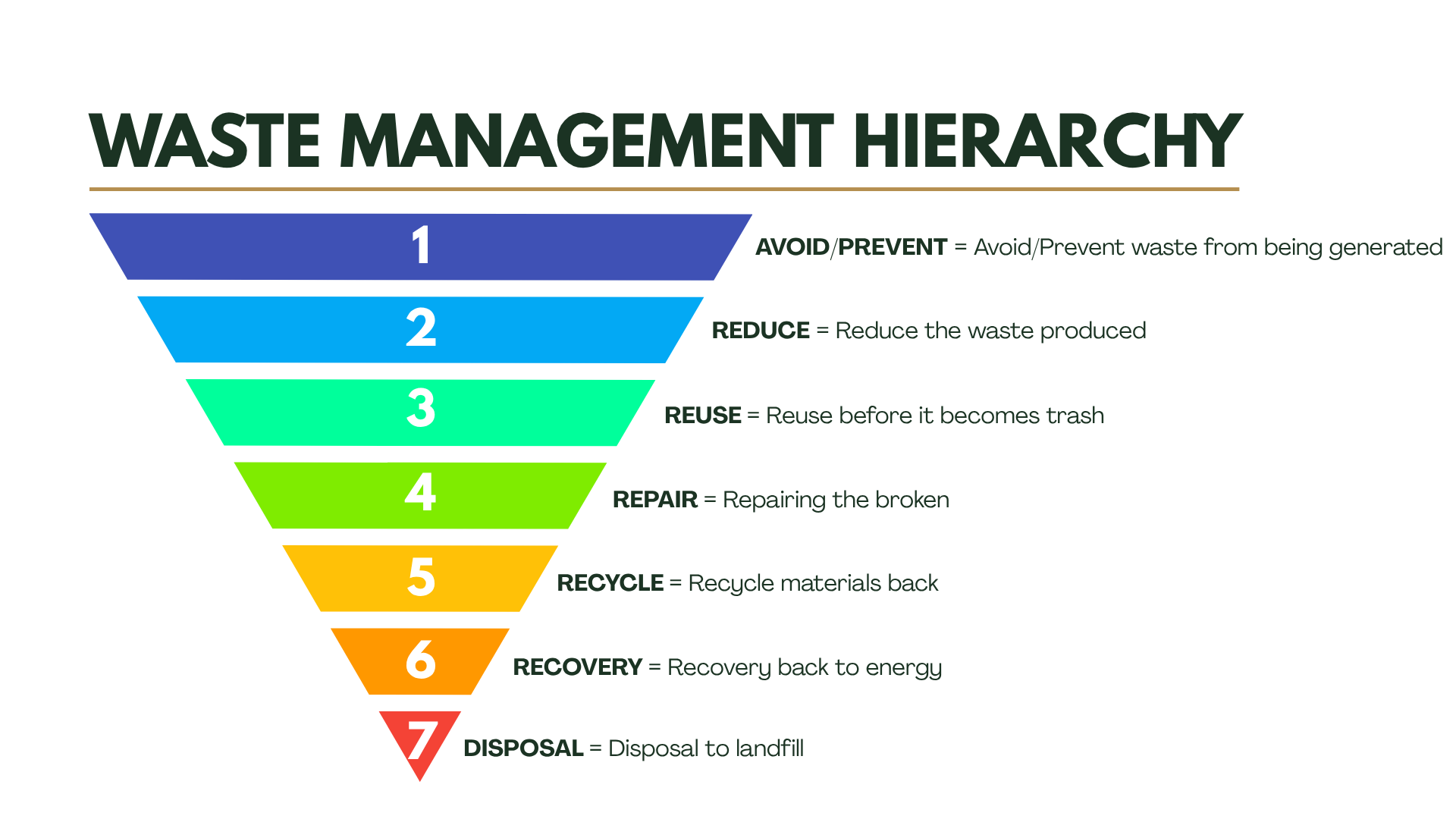
To realize an effective circular economy, we need a moral compass for managing consumption waste, clearly illustrated by the Waste Management Hierarchy. Shaped like an inverted pyramid, this chart emphasizes that the best course of action is at the widest peak: avoid/prevent, to avoid waste as much as possible in the first place, followed by reduce the amount of daily waste produced. If waste has already been created, the next priority shifts to extending the life of objects through reuse before they become scrap, and repair to restore damaged items to their original function. Once these options have been exhausted, we move on to recycle, to reprocess basic materials, and recovery, to convert remaining waste into alternative energy sources. Interestingly, this system places disposal at the bottom end of the scale as a last resort a strong signal that simply throwing waste into the earth is a systemic failure that must be minimized.
Capacity Building of Women’s Groups in Kelurahan Paket Agung
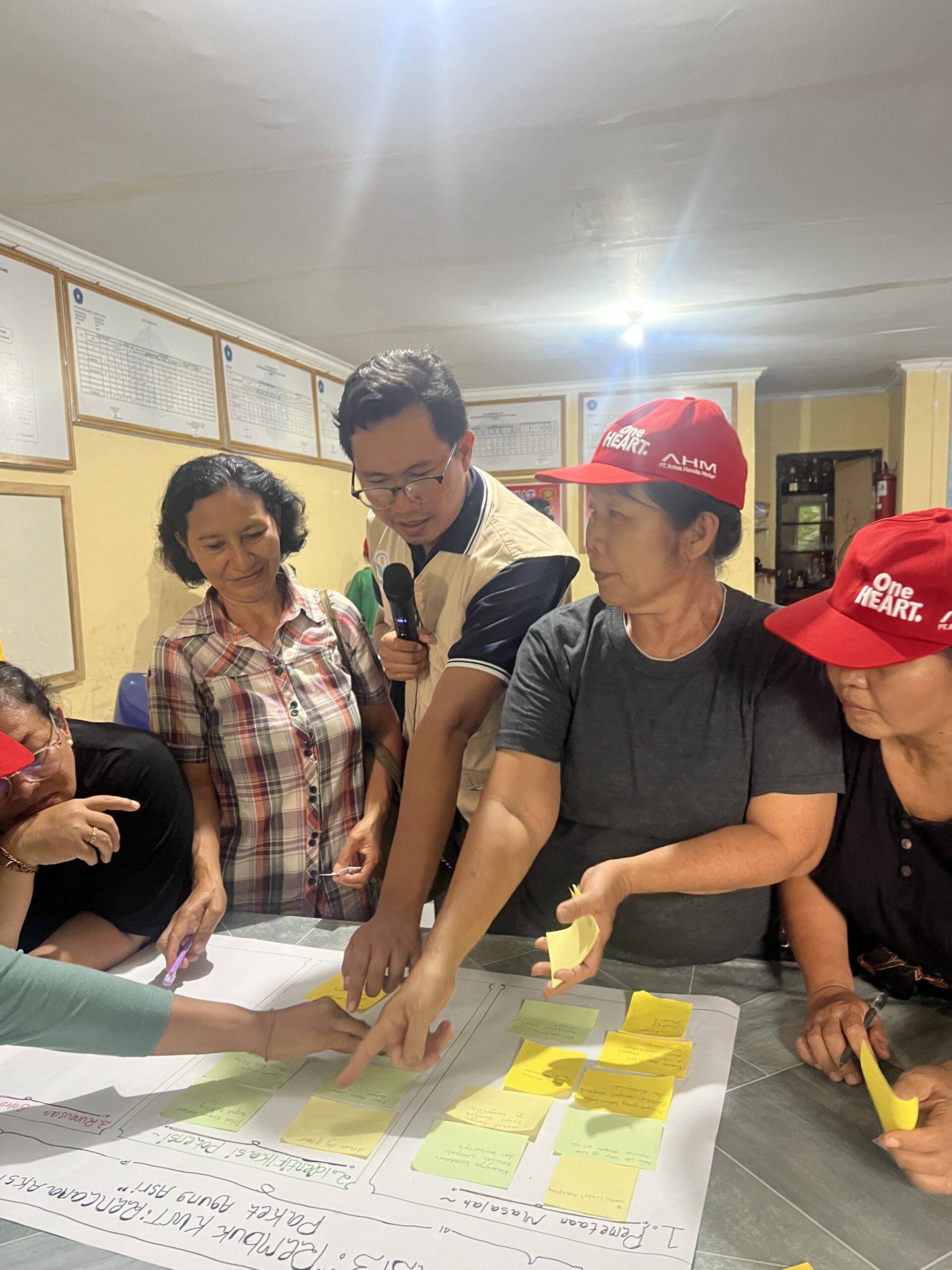
The importance of this understanding was conveyed in an educational activity held by the AVIRAMA Foundation in collaboration with the Kolaberaksi Community in Kelurahan Paket Agung on April 30, 2026. This activity aimed to raise public awareness regarding waste management and its impact on health. In this activity, material on the waste management hierarchy was presented by Gede Herry Arum Wijaya. He explained that waste management is not solely focused on disposal, but must begin with daily habits, such as reducing the use of single-use items and reusing items that are still usable. He also emphasized that protecting the environment is a shared responsibility, not only for the present but also for future generations.
Next, Melka Marfella and Kasih Mahendri from the Kolaberaksi Community presented a topic on the impact of inappropriate waste management on health. They explained that accumulated and poorly managed waste can cause environmental pollution, degrade water quality, and increase the risk of various diseases. To facilitate understanding, the activity included discussion sessions and group games. Participants were encouraged to identify waste problems in their local environment and find solutions that could be implemented in their daily lives. This approach made the activity more interactive and encouraged active participation.
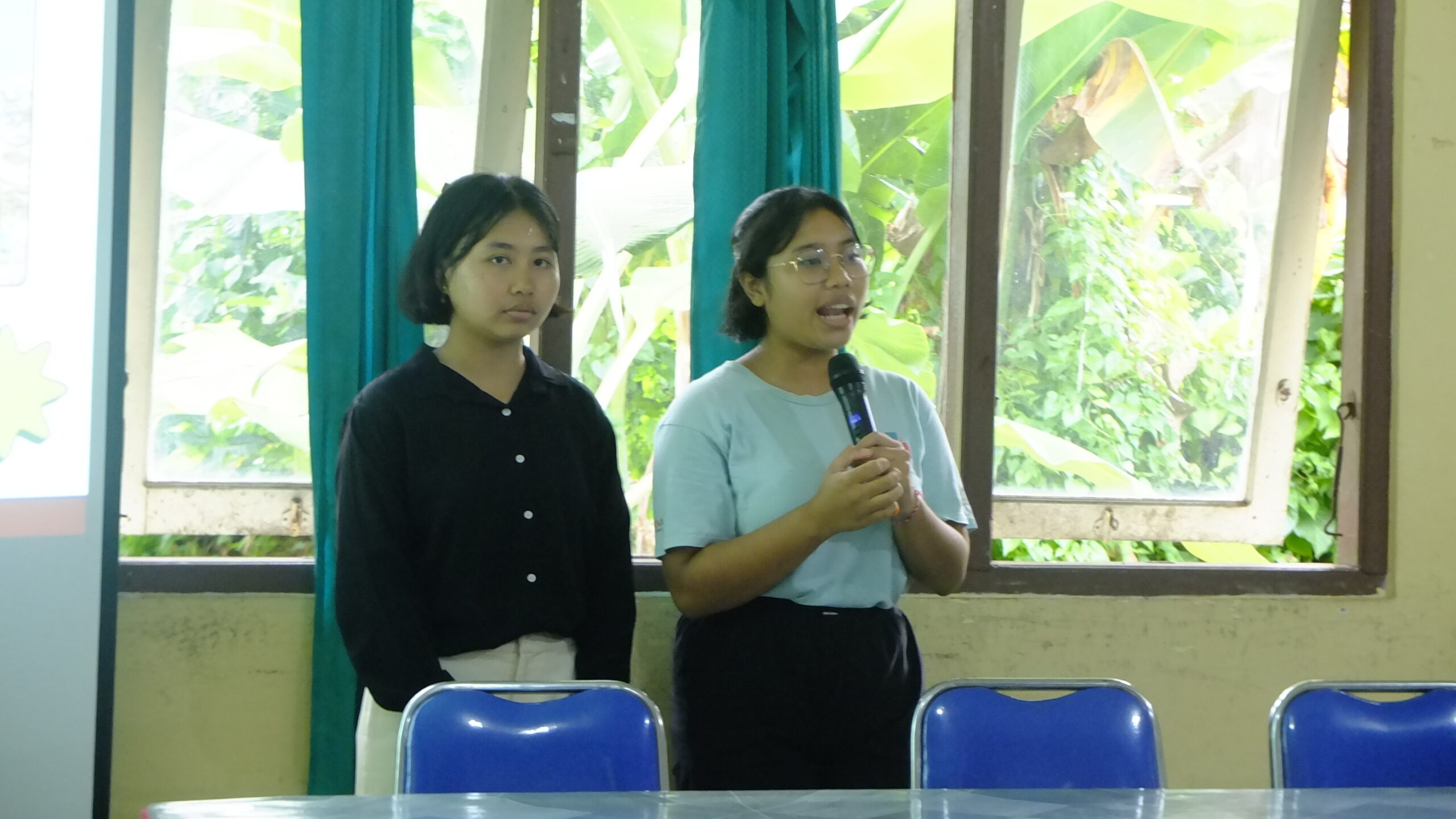
The activity, attended by approximately 30 participants, consisting of women from the Family Welfare Movement (PKK) and members of the Women’s Farmers Group (KWT), was enthusiastic. In addition to gaining new knowledge, participants also had enjoyable learning experiences through the various activities. Through this activity, it is hoped that the public will better understand the importance of proper waste management and its impact on health. By implementing simple habits in daily life, such as reducing, reusing, and recycling waste, a clean and healthy environment can be achieved sustainably.
Article Contributor: Melka Marfella and Kasih Mahendri
Pingback: BSF Maggot Cultivation as a Solution for Food Waste Management - Avirama Foundation