
How AVIRAMA Members Siti and Asti Explored Humanity, Technology, Empathy, and Global Youth Leadership at the Young Changemakers Programme 2026
In an era where technological innovation rapidly reshapes every aspect of human life, profound questions are raised regarding the essence of human identity, interpersonal empathy, and community action. Recently, two outstanding members of the AVIRAMA Foundation family, Siti and Asti, were selected as awardees for the prestigious Young Changemakers Programme (YCP) 2026. Jointly organised by Scholas Occurrentes and the United In Diversity (UID) Foundation as part of the Bali Harmony Encounter Week 2026, this transformative five-day international gathering brought together 42 promising young leaders from across the globe to reflect on a pivotal question: “What makes us human in the era of AI?”
Introducing Our Awardees
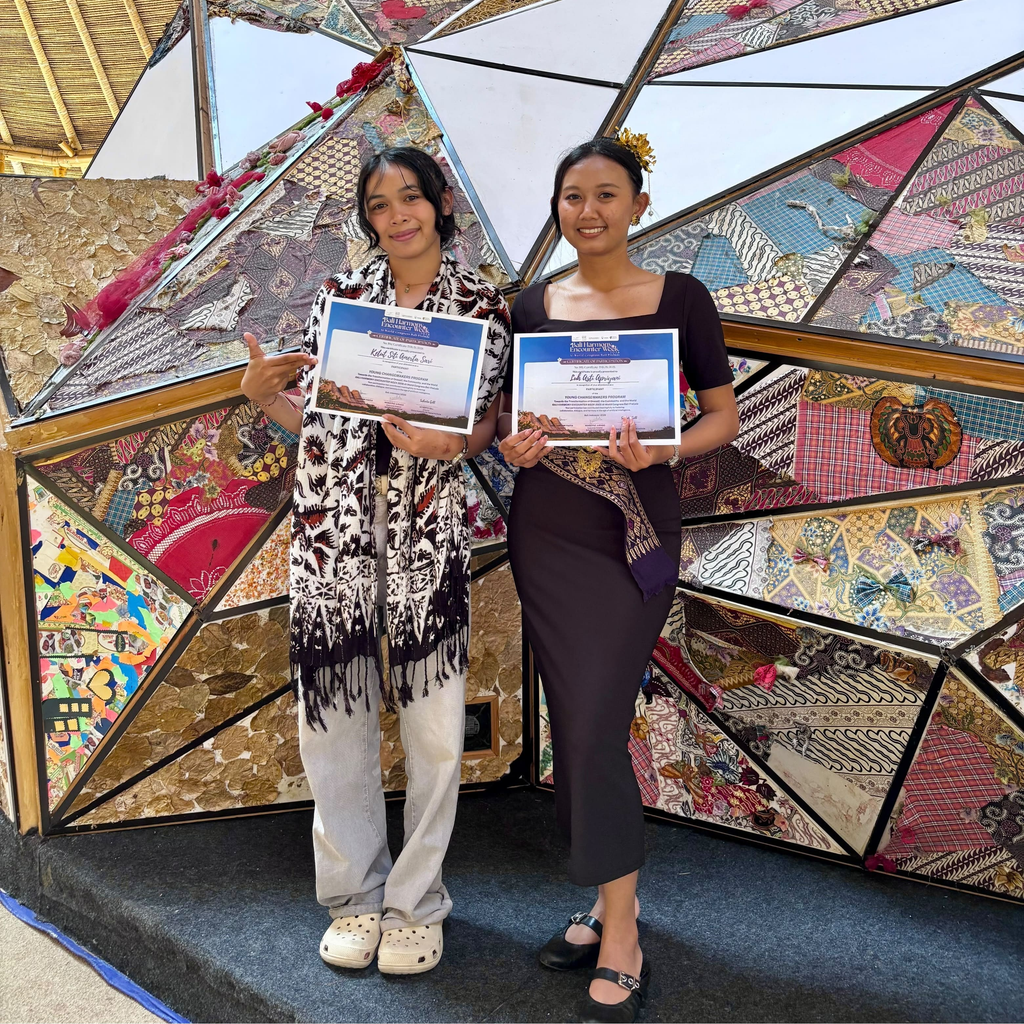
The AVIRAMA Foundation takes immense pride in celebrating the achievements of its team members, whose dedication to local environmental stewardship and social empowerment continues to extend into international leadership spaces.
Siti — Project Assistant, PESPA Waste Bank (Bank Sampah PESPA)
Siti serves as the dedicated Project Assistant for the collaborative initiative between the AVIRAMA Foundation and Kelurahan Paket Agung, known as Bank Sampah PESPA. Her daily work revolves around facilitating valuable inorganic waste collection, organizing local waste processing infrastructure, and empowering grassroots community groups particularly local women’s initiatives to establish sustainable environmental practices.
Asti — Facilitator, Talk Sustainable Batch #4
Asti has been an active force within AVIRAMA’s outreach initiatives. She served as a facilitator in the Webinar & Dialogue Division for the Talk Sustainable Batch #4 community program, where she guided youth dialogues on plastice waste problems and preventive solution. Furthermore, she assumed the critical role of Event Secretary for Suara Muda Lestari 2026, a major multi-stakeholder youth summit organized in Buleleng Regency.
The Journey of Transformation
Participating in an international program demands stepping beyond familiar physical, linguistic, and emotional boundaries. Both Siti and Asti embarked on this journey with unique backgrounds, distinct personal anxieties, and deeply inspiring outcomes.
Overcoming Fear and Rediscovering Human Connection
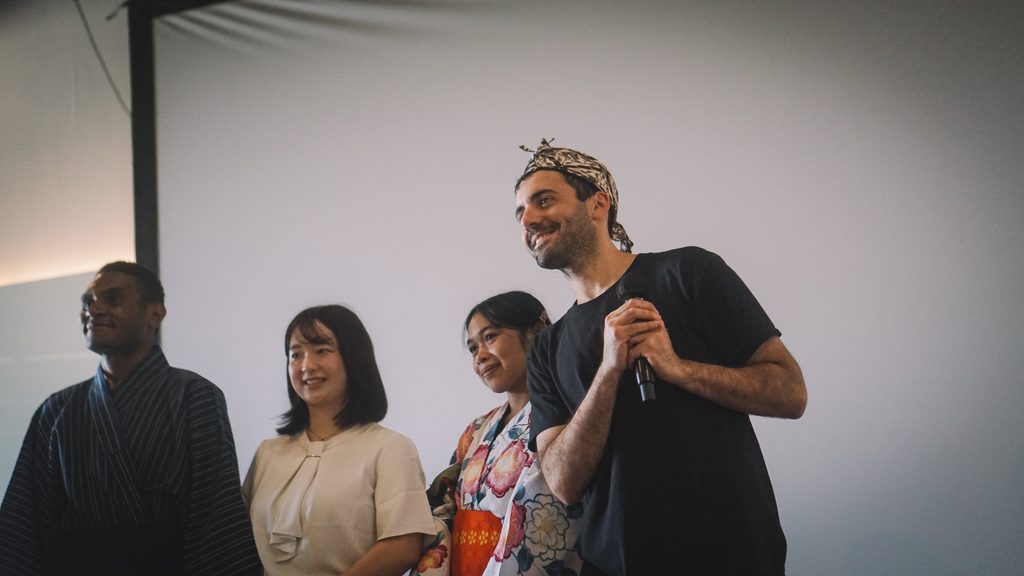
For Siti, accepting the invitation to YCP 2026 was accompanied by significant personal apprehension. Prior to the program, she often felt intimidated when communicating with new acquaintances. A persistent lack of self-confidence and a fear of making mistakes during conversations, especially when interacting with individuals of extraordinary achievements, frequently held her back. During the opening sessions, Siti initially chose to observe quietly from the background.
“Participating in the Young Changemakers Program became one of the most extraordinary and memorable experiences in my life. Before joining this program, I was afraid of socializing and initiating conversations because I lacked confidence. However, I gradually felt comfortable because the participants were extremely warm, kind, and supportive.”
— Siti, Project Assistant at Bank Sampah PESPA
As the days unfolded, the welcoming atmosphere cultivated by fellow delegates enabled Siti to step out of her shell. Friendships were quickly forged not only with peers from diverse Indonesian provinces but also with international delegates representing various countries. Through continuous interaction, Siti learned to communicate openly and courageously with individuals from all walks of life.
A central breakthrough in Siti’s experience occurred during interactive, non-verbal group activities. These experiential exercises demonstrated to participants that true human communication transcends verbal expression. When the delegates subsequently turned their attention to discussing Artificial Intelligence (AI), Siti discovered a rich spectrum of viewpoints regarding why AI was created, how its underlying mechanics operate, and what its long-term benefits and societal risks entail.
Reflecting on these dialogues, Siti realized that technological advancements must not be evaluated solely through their functional utility, but through the lens of human responsibility. The delegates collectively concluded that humanity must guard against over-reliance on artificial technologies. Fundamental human attributes such as deep empathy, genuine care, familial warmth, and heartfelt interpersonal relationships can never be fully replicated or replaced by automated algorithms.
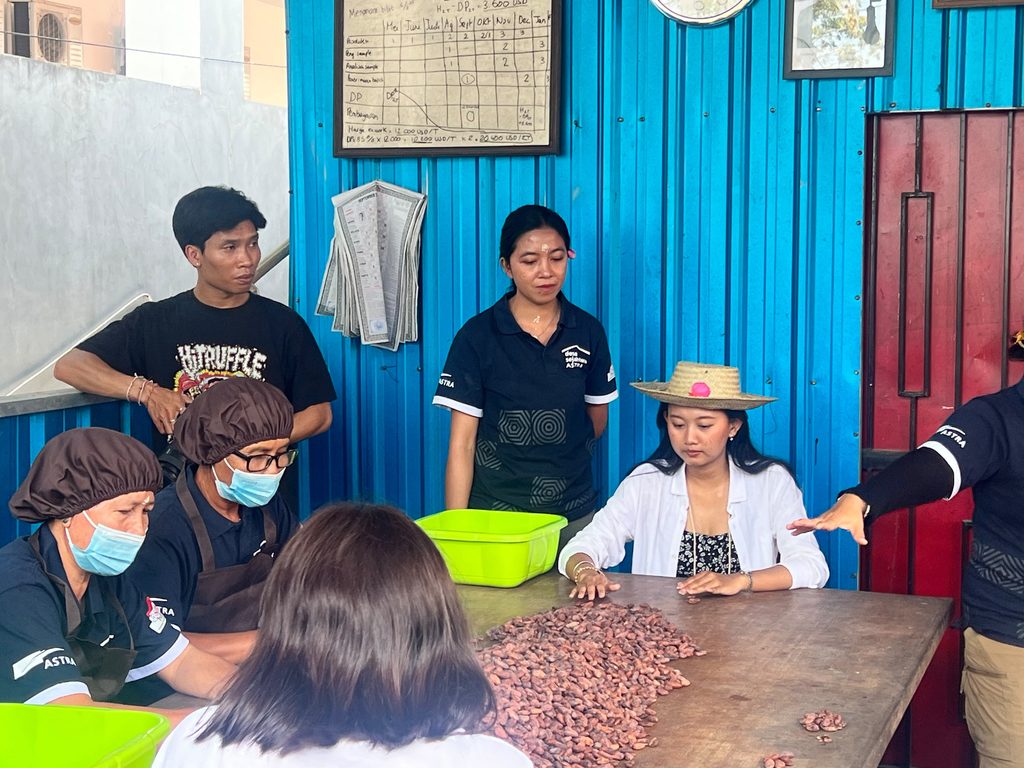
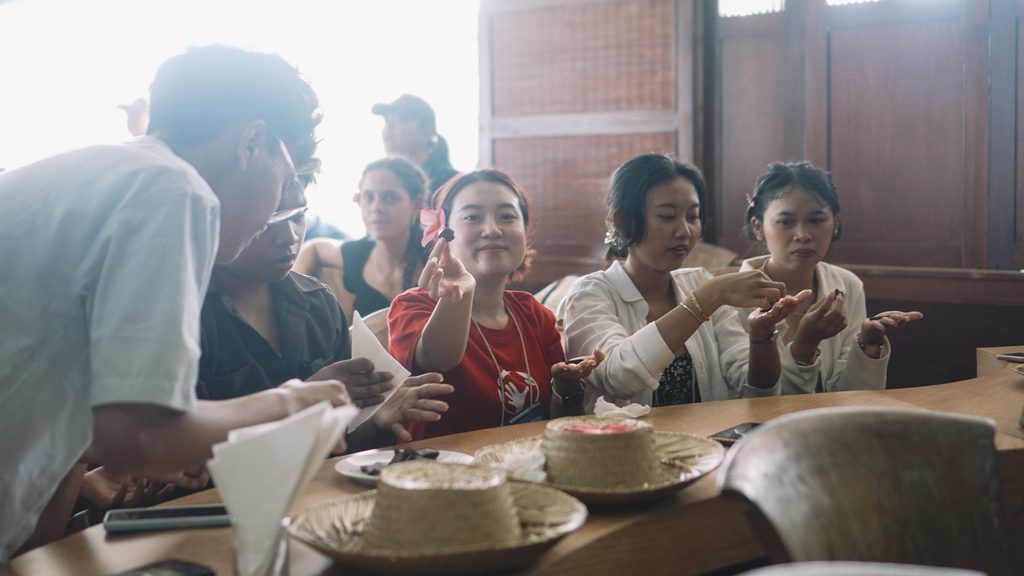
Beyond theoretical discussions, YCP 2026 provided Siti with rich cross-cultural exposure. Alongside learning about local Balinese heritage during experiential site visits to a cocoa processing center in Tabanan and the iconic site of Tanah Lot, Siti engaged in rich storytelling exchanges with delegates from Papua, Malaysia, Japan, India, and beyond. Cultural stories, traditional recipes, daily habits, and regional philosophies were shared among participants, allowing Siti to explore the broader world without needing to travel physically to every continent.
“YCP made me realize that sometimes the very things we fear the most become the beginning of our most meaningful experiences. I returned home not only with new knowledge and friends, but with the courage to be open, to trust myself, and to cherish human connections in an era of technological evolution.”
— Siti, Reflection on YCP 2026
What Makes Us Human in the Era of AI?
Asti approached YCP 2026 through a structured conceptual framework centered around three guiding questions posed by Scholas Occurrentes: “Who am I? Who are the others? What can we build together?”
Under Asti’s leadership within her working group, the team developed a comprehensive problem tree analysis to systematically evaluate how modern artificial intelligence impacts contemporary youth. The analytical tool identified critical societal challenges, including rising technological dependency, diminished critical thinking capacities, reduced creative problem-solving, and growing emotional detachment among young people. Simultaneously, the team acknowledged AI’s immense positive potential when applied responsibly to expand access to education, streamline administrative efficiency, and enhance social well-being.
“What makes us human in the era of AI? Guided by three foundational questions, our team explored both the vast possibilities of artificial intelligence and the vital necessity of staying human. As technology becomes more intelligent, we have an even greater responsibility to preserve our core humanity.”
— Asti, Facilitator for Talk Sustainable Batch #4
For Asti personally, the program represented a continuous exercise in stepping outside her comfort zone. Collaborating across distinct linguistic boundaries required active listening and courage. Supported by her teammates, Asti overcame her initial hesitation regarding public speaking in English. Her growing confidence culminated in her delivering key components of her team’s final analytical presentation and being selected to present the closing speech for the program.
Reflecting upon the overall experience, Asti concluded that while exploring the technical anatomy of AI was intellectually stimulating, the most enduring takeaway was the organic bonds formed among participants. While machines can process complex data, they cannot share genuine laughter, listen with deep empathy, or offer emotional solidarity. Within five days, individuals who had entered as strangers departed as lifelong colleagues and friends.
Key Takeaways
The participation of Siti and Asti in the Young Changemakers Programme 2026 brings invaluable perspectives to the AVIRAMA Foundation’s ongoing missions in Buleleng Regency and across Bali. Their key learnings directly align with AVIRAMA’s core values of community-led environmental stewardship and holistic youth empowerment:
- Modern technology, including AI, should be harnessed as a supportive tool for environmental management (such as waste tracking at Bank Sampah PESPA), but must never overshadow direct human empathy and community engagement.
- Impactful community leadership begins with individual courage. Overcoming fears of public speaking or cultural differences enables young leaders to advocate effectively for local sustainability.
- Exchanging insights with international peers enriches local projects. The methodologies learned at YCP 2026 will directly inform future iterations of Talk Sustainable and community waste initiatives in Kelurahan Paket Agung.
The stories of Siti and Asti remind us that empowering youth with confidence, global networks, and reflective mindsets is vital for building a sustainable future. As artificial intelligence advances, the AVIRAMA Foundation remains dedicated to nurturing leaders who combine technical awareness with deep moral responsibility and genuine human compassion.
Article Contributor: Luh Asti Apriyani and Ketut Siti Amerta Sari