
BSF Maggot cultivation by the AVIRAMA Foundation empowers women group in Kelurahan Paket Agung to efficiently decompose organic food waste and boost local circular economy.
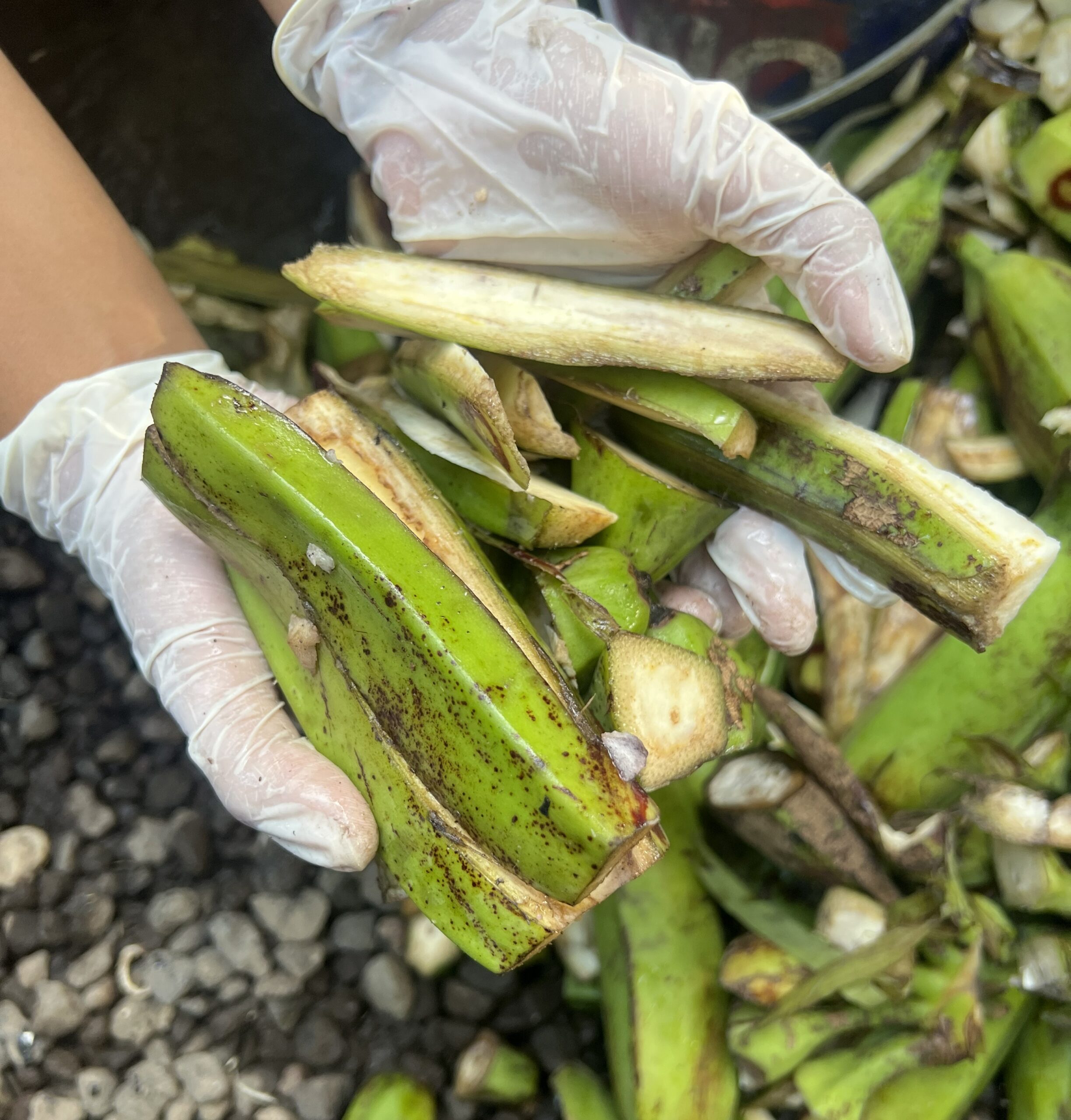
The waste problem remains a growing environmental issue and requires serious attention from various parties. Amidst increasing community activities and population growth, the volume of waste generated daily also continues to grow, including organic waste, which is often considered trivial. According to data from the SIPSN 2025, organic waste especially food waste still dominates the amount of waste in Indonesia, accounting about 39.64% of the total national waste generation. This situation demonstrates the importance of food waste management. Food scraps, kitchen waste, rotting vegetables, and various other types of food waste are still widely discarded without proper management. As a result, piles of food waste not only produce unpleasant odors but also become a source of environmental pollution and various public health problems. The accumulated waste can attract flies, pollute the surrounding environment, and even produce methane gas, which contributes to global warming. If this situation continues, environmental problems will become increasingly difficult to control. Given these conditions, concrete steps are needed that not only focus on waste reduction but also provide sustainable benefits to the community. One solution that is now being widely developed is the cultivation of maggots, or Black Soldier Fly (BSF) larvae. Maggots are known for their extraordinary ability to rapidly decompose food waste. In fact, several studies have shown that one kilogram BSF maggots can decompose tens of kilograms of food waste in a short time. In addition to helping reduce waste volume, maggots also have high economic value because they can be used as protein-rich animal feed.
BSF Maggot Cultivation Preparation
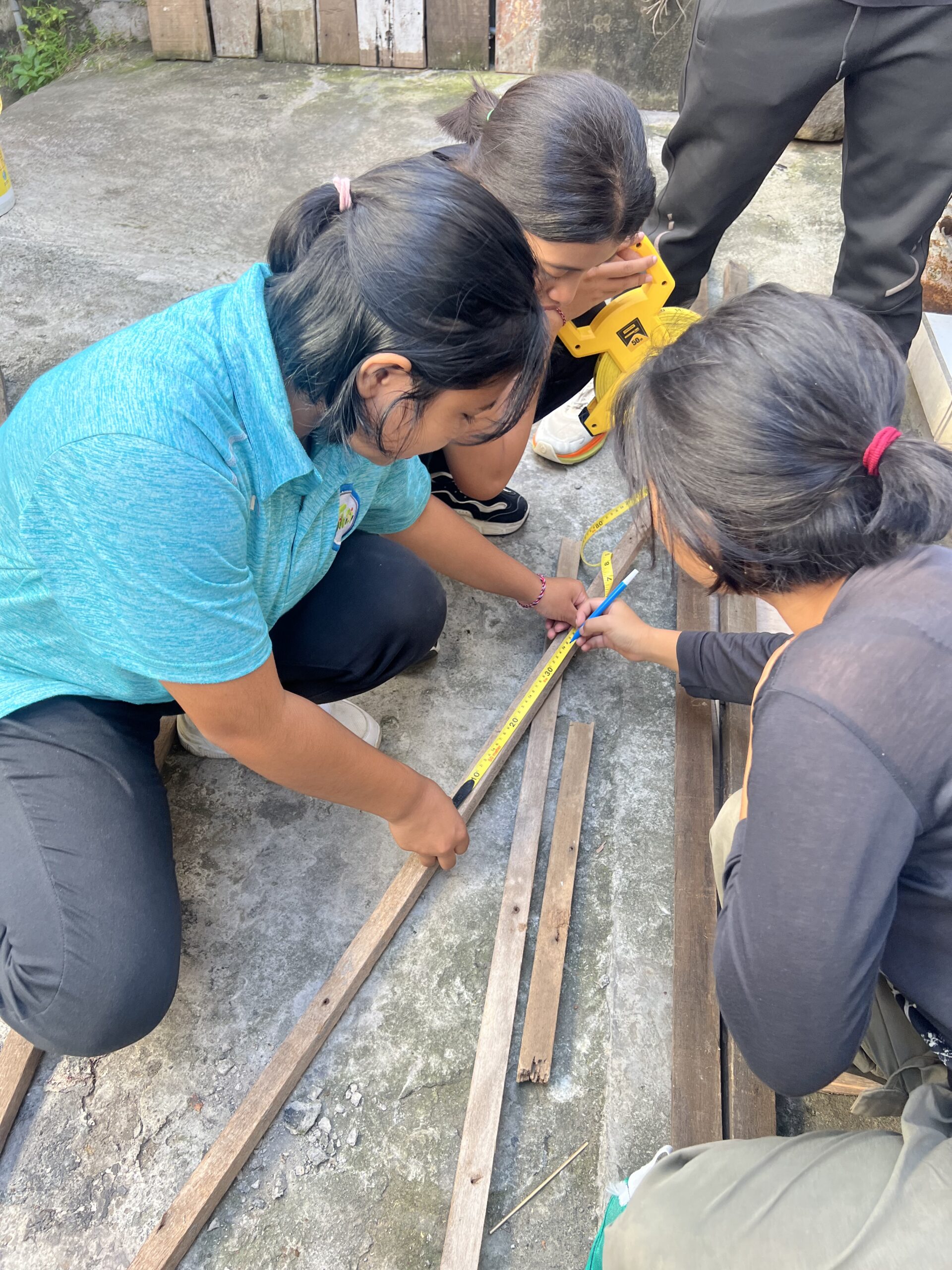
Stemming from this concern for environmental conditions, on May 11, 2026, the AVIRAMA Foundation conducted a maggot cage construction project in Kelurahan Paket Agung together with student fo SMAN Bali Mandara. This activity was not just another environmental program, but a concrete step to raise public awareness that waste problems can be addressed through collective action and community empowerment. The AVIRAMA Foundation recognizes that environmental issues cannot be resolved through appeals or theories alone. Direct community involvement is needed for real change to be felt. Therefore, in this activity, the AVIRAMA Foundation chose to empower women from the Family Welfare Movement (PKK) and Women’s Farmers Groups (KWT) in Kelurahan Paket Agung as key players in the management and operation of maggot cultivation. The selection of PKK and KWT mothers was not without reason. Behind their roles in families and communities, there is a powerful force capable of bringing about change in their surrounding environment. They are closely involved in daily household activities, including household waste management. By empowering PKK and KWT mothers, the AVIRAMA Foundation hopes to create an environmental movement that starts at home and grows sustainably with the community.
Increasing Understanding of BSF Maggot Cultivation
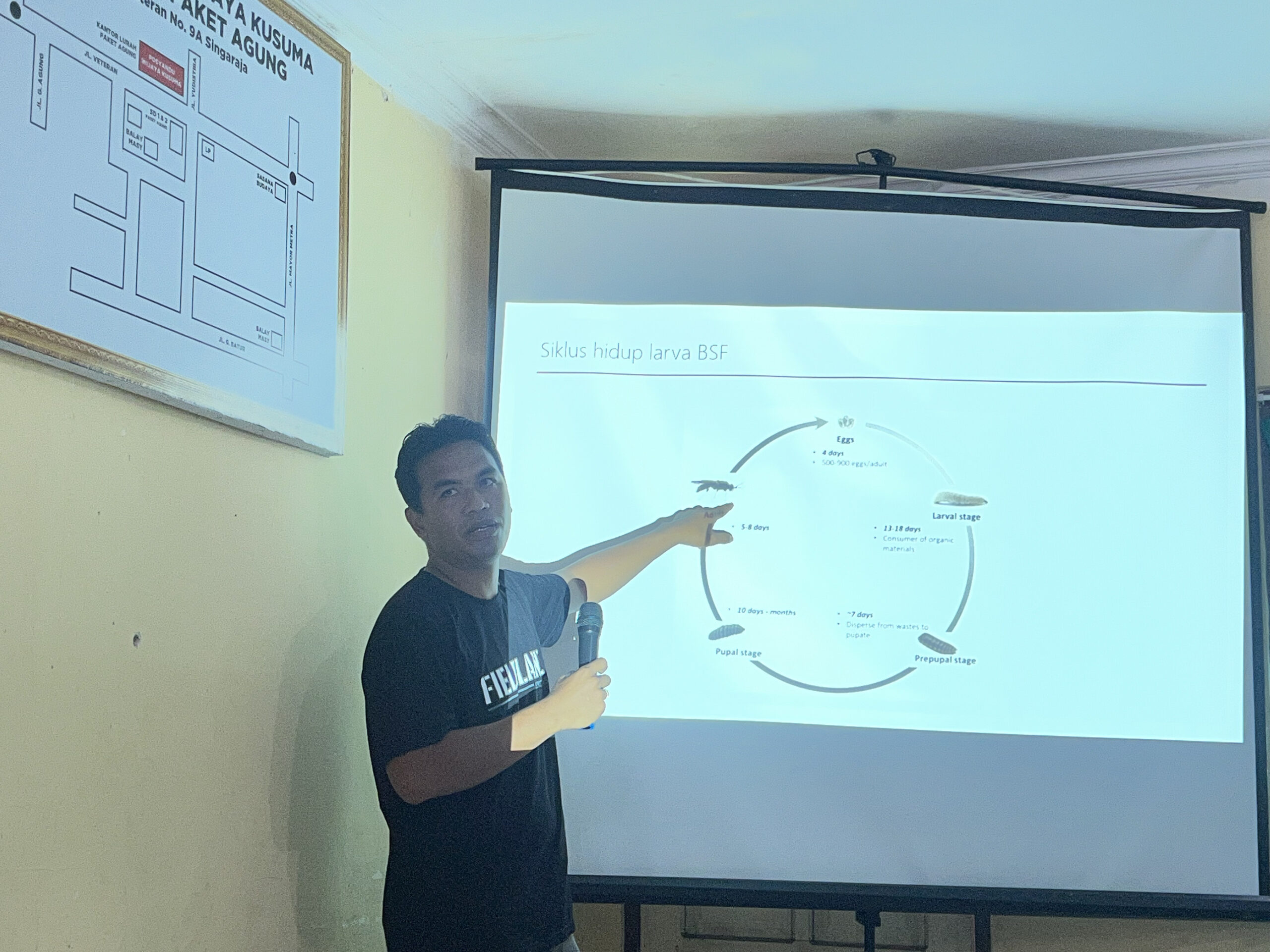
The activity demonstrated a sense of togetherness and a spirit of mutual cooperation. Participants were not only educated about the dangers of organic waste accumulation on the environment but also introduced to the benefits of maggot cultivation as an environmentally friendly and economically valuable solution. Many participants, who initially felt unfamiliar or even skeptical about maggot cultivation, gradually began to understand that these tiny larvae actually have significant environmental benefits. The activity continued with the collaborative process of building maggot cages. Using simple tools and materials, participants were encouraged to understand each stage of cage construction so they could later implement it independently in their respective communities. Not only stopping at the cage construction process, the AVIRAMA Foundation also provides guidance on the maggot maintenance process, starting from how to provide organic feed, managing the cultivation media, to the sustainable use of maggot cultivation results.
Behind this activity, there’s an important message, environmental problems can actually be solved through simple steps when taken together. Waste, previously considered useless, actually still has value and benefits when managed with creativity and care. Through maggot cultivation, the community is encouraged to see that environmental solutions don’t have to be complicated or expensive, but can start with small things in everyday life. More than just an environmental activity, this program also serves as a form of community empowerment, providing a space for women from the Family Welfare Movement (PKK) and the Women’s Group (KWT) to play an active role in creating change. In addition to helping reduce organic waste, maggot cultivation also has the potential to become a new economic opportunity for the community if developed sustainably. Thus, this activity provides not only ecological benefits but also social and economic benefits for the local community.
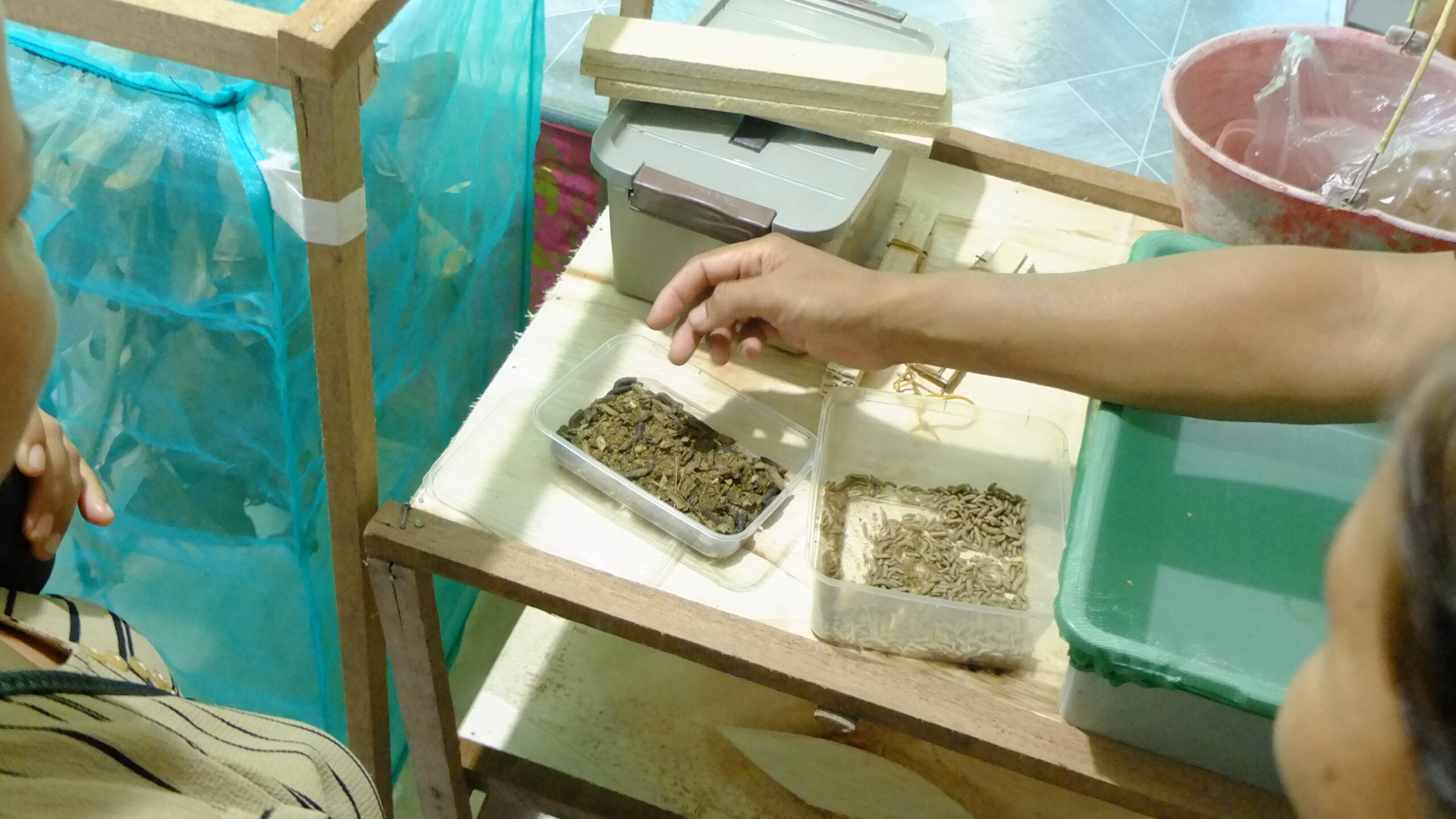
This activity, implemented by the AVIRAMA Foundation in Kelurahan Paket Agung, is expected to foster a new awareness that protecting the environment is a shared responsibility. Small steps like managing organic waste through maggot cultivation can be the beginning of major changes for a cleaner, healthier, and more sustainable environment. Amidst the ever-growing environmental challenges, this activity is proof that hope for a better future will always exist when people are willing to move and grow together.
Article Contributor: Putu Melka Marfella, Ni Ketut Marga Yanti, Ni Putu Chandra Lestari