
Sustainable solar power solutions to support conservation efforts and ecotourism on Menjangan Island by empowering local communities.
The global transition toward renewable energy is often discussed in the context of massive solar farms or urban grid upgrades. However, some of the most profound impacts of the green energy revolution are happening in the world’s most remote corners. In the heart of the West Bali National Park lies Menjangan Island—a pristine jewel of biodiversity and a premier destination for divers and nature enthusiasts. Yet, despite its ecological significance, this “paradise” has long faced a fundamental hurdle, a complete absence of reliable, clean energy.
Enter Solar Horizons Menjangan, a pioneering initiative by the AVIRAMA Foundation designed to bridge the energy gap through decentralized, off-grid solar technology. This project isn’t just about installing hardware, it’s a holistic blueprint for sustainable development that integrates cutting-edge technology with community empowerment.
Energy Crisis in an Untouched Paradise
Menjangan Island is a critical hub for marine conservation and ecotourism in Indonesia. While its uninhabited status preserves its natural beauty, it also makes extending the national power grid economically unfeasible and environmentally intrusive.
The Hidden Risks of Darkness

Before the intervention of Solar Horizons Menjangan, the island’s primary infrastructure operated in a state of energy poverty.
- Safety Hazards at the Jetty: The main jetty, the sole entry point for dozens of daily visitors, remained unlit. Navigating these paths during the early dawn or late afternoon posed significant safety risks for tourists and National Park staff.
- Operational Limitations: The Post Ranger office, central to administrative tasks, data collection, and emergency response in Menjangan Island, functioned without basic electricity. This severely hampered the ability of rangers to monitor conservation efforts effectively.
- The Problem with Generators: Historically, the only alternative was the use of portable generators. These are not only costly and fuel-dependent but also produce noise and air pollution that directly contradict the conservation ethos of a National Park.
Solar Horizons Menjangan As A Targeted Solution
To resolve these challenges, the AVIRAMA Foundation developed a solution specifically tailored to the unique logistical and environmental constraints of a remote island.
Technical Specifications and Design
The core of the project is a small-scale, high-efficiency off-grid solar energy system. Unlike grid-tied systems, this setup is entirely self-sufficient, relying on:
- Solar PV Generation: Approximately 5-6 kWp of solar panel capacity to capture Bali’s abundant sunlight.
- Robust Energy Storage: 12-15 kWh of usable energy stored in battery systems. These were selected to optimize the project’s budget while ensuring reliable power even after sunset.
- Smart Power Management: 5-7 kW capacity inverters and charge controllers to regulate the flow of electricity to essential facilities.
This system provides consistent, silent, and emission-free power for essential jetty lighting and the operational needs of the Post Ranger office.
Empowerment Through Capacity Building
A technology-only approach often fails in remote areas due to a lack of maintenance expertise. Solar Horizon Menjangan breaks this cycle through its Capacity Building and Training component.
Training the Guardians of the Island
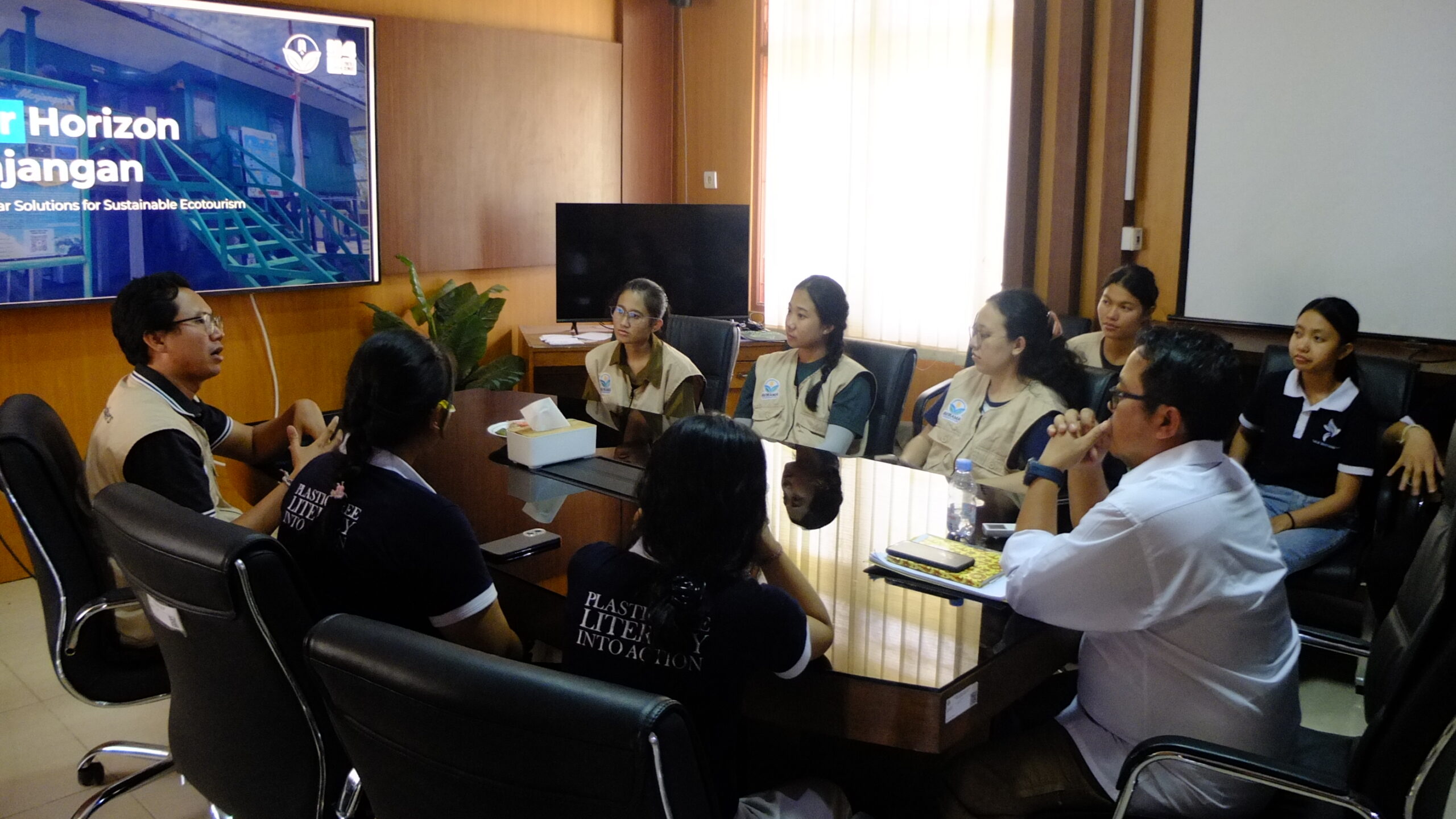
The project empowers National Park staff and local community members—including boat operators and guides from the Gerokgak district—to take full ownership of the system.
- Operational & Maintenance (O&M) Training: Participants receive hands-on instruction in daily system monitoring, routine maintenance, and basic troubleshooting.
- Formation of a Local O&M Team: A dedicated team is established to ensure the system’s longevity, moving away from a “hand-out” model toward genuine self-reliance.
- Sustainable Tourism Literacy: Beyond technical skills, the program integrates workshops on energy efficiency, waste management, and marine conservation.
Youth and Women-Focused Inclusion
The project specifically targets youth and women for capacity building and training. By equipping marginalized groups with “green skills,” the initiative opens new leadership avenues in the emerging green economy of Indonesia.
Environmental and Social Impact
The success of Solar Horizon Menjangan is measured by more than just kilowatt-hours, it is measured by its contribution to the Sustainable Development Goals (SDGs).
Environmental Indicators (SDG 13 & 7)
- Carbon Footprint Reduction: By displacing fossil-fuel-powered generators, the project prevents the release of tonnes of CO2 annually.
- Pollution Mitigation: The elimination of generator noise and exhaust fumes preserves the tranquil environment necessary for local wildlife and the visitor experience.
Social and Economic Indicators (SDG 11)
- Enhanced Safety: Reliable jetty lighting significantly reduces the risk of accidents for everyone accessing the island.
- Conservation Efficiency: With power for computers, radios, and charging patrol equipment, National Park rangers can protect the marine ecosystem more effectively.
- Economic Resilience: Reduced operational costs for park facilities and the potential to attract eco-conscious travelers support the local tourism economy.
Leadership with a Vision
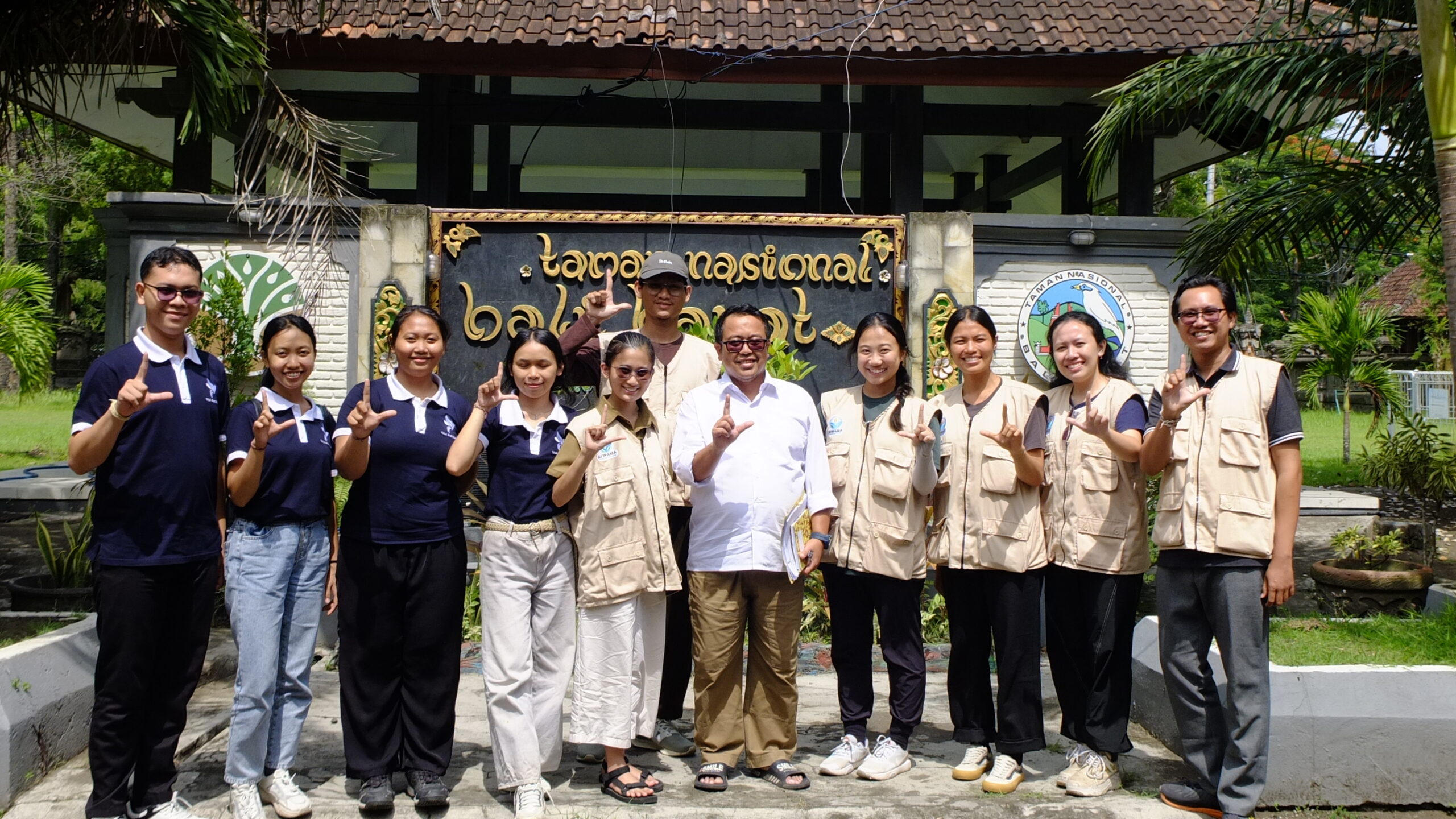
The project is driven by the AVIRAMA Foundation, led by two professionals with a deep commitment to sustainable literacy and operational excellence.
- Gede Herry Arum Wijaya: A researcher focused on nanomaterials for energy and environment with practical experience in biogas and solar implementation. His vision is to bridge the “data-to-action disconnect” by bringing technical solutions directly to the communities that need them most.
- Ni Made Adelia Felita Anggreni: A specialist in business development and solar energy penetration. Her focus is on creating a transparent, effective, and accountable organizational structure to ensure every project dollar creates maximum impact.
A Replicable Model for Indonesia’s 17,000+ Islands
Perhaps the most innovative aspect of Solar Horizons Menjangan is its scalability. It serves as a proof of concept for how decentralized energy can be integrated into ecologically sensitive areas.
The strategy used here—combining targeted “soft” infrastructure (like safety lighting) with intensive local training—is a blueprint that can be replicated across other remote conservation sites and small islands in Indonesia.
Looking Ahead: The Future of Menjangan
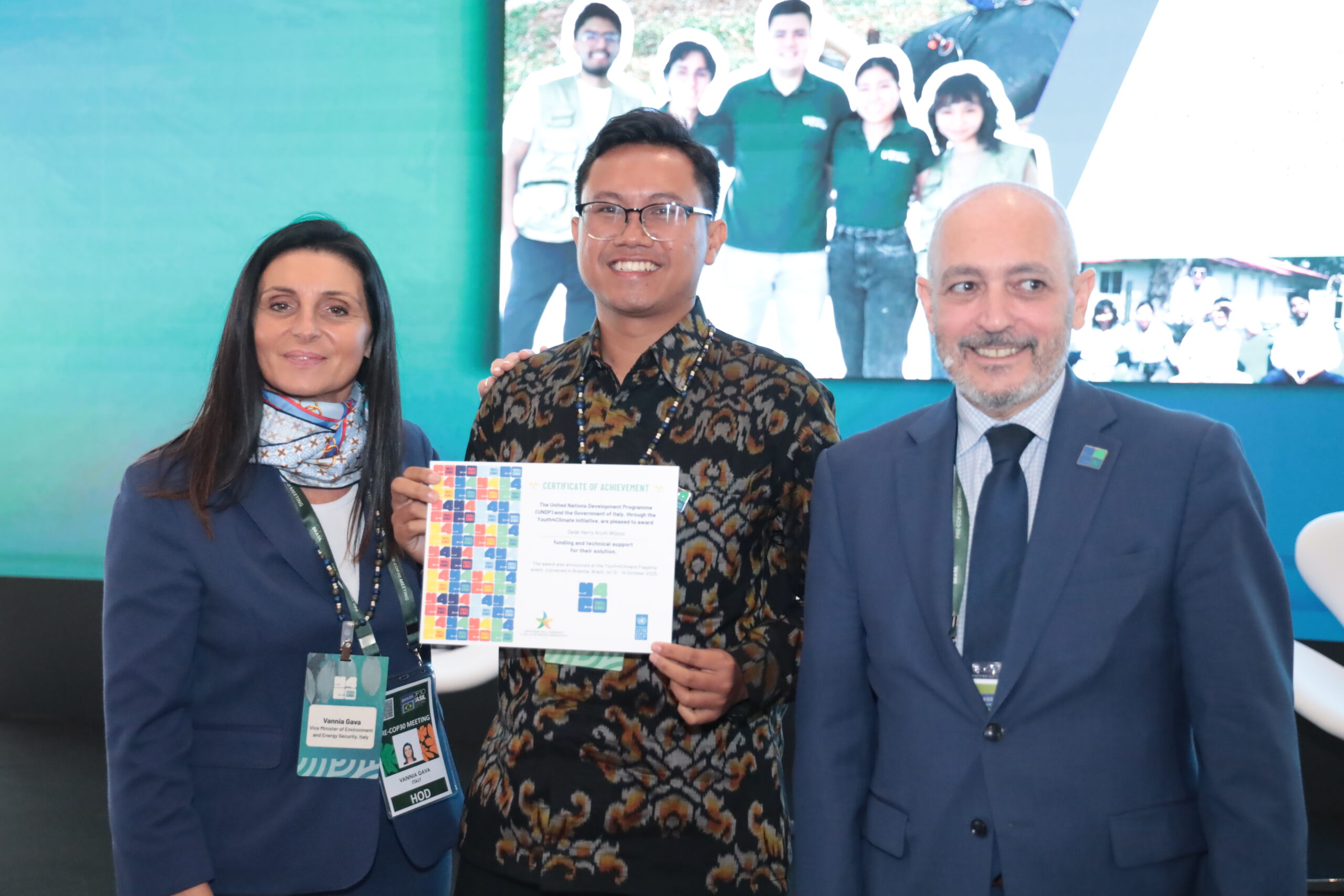
Supported by the Youth4Climate 2025 Call for Solutions, an initiative of the United Nations Development Programme (UNDP) and the Italian Ministry of Environment and Energy Security. From the initial energy needs assessment to the final handover to the local community, every step is documented to share lessons learned with the global climate community.
As we look toward the future, the goal is to establish a “Green Energy Fund” through an ecotourism contribution model, ensuring that the sun that shines on Menjangan continues to power its protection for generations to come.