
From July to December 2025, the AVIRAMA Foundation successfully fueled its inaugural year by launching the Segara Lestari Lovina program to protect North Bali’s marine biodiversity from plastic pollution, supported by the Global Plastic Action Partnership through the Biodiversity Small Funds Initiative.
Lovina Beach, Buleleng — In the heart of North Bali, where the sunrise paints the sky over the Bali Sea, a quiet but powerful movement has taken root. Lovina Beach, famous globally for its iconic dolphin populations and vibrant coral reefs, has long been a crown jewel of Buleleng Regency. However, the very popularity that sustained the local economy brought an escalating crisis of plastic pollution that threatened its very foundation.
Today, the AVIRAMA Foundation is proud to announce the successful conclusion of the “Segara Lestari Lovina” program. This vital initiative was made possible through the Global Plastic Action Partnership (GPAP) under the Biodiversity Small Funds Initiative, in a strategic partnership with the Government of Canada.
While the formal funding period was intensive and short—spanning six months from July to mid-December 2025—its impact has been monumental. For the newly established AVIRAMA Foundation, this support served as the essential fuel for its first year of operation, catalyzing a long-term vision for North Bali’s environmental future.
The Crisis: Why Lovina Needed an Urgent Intervention
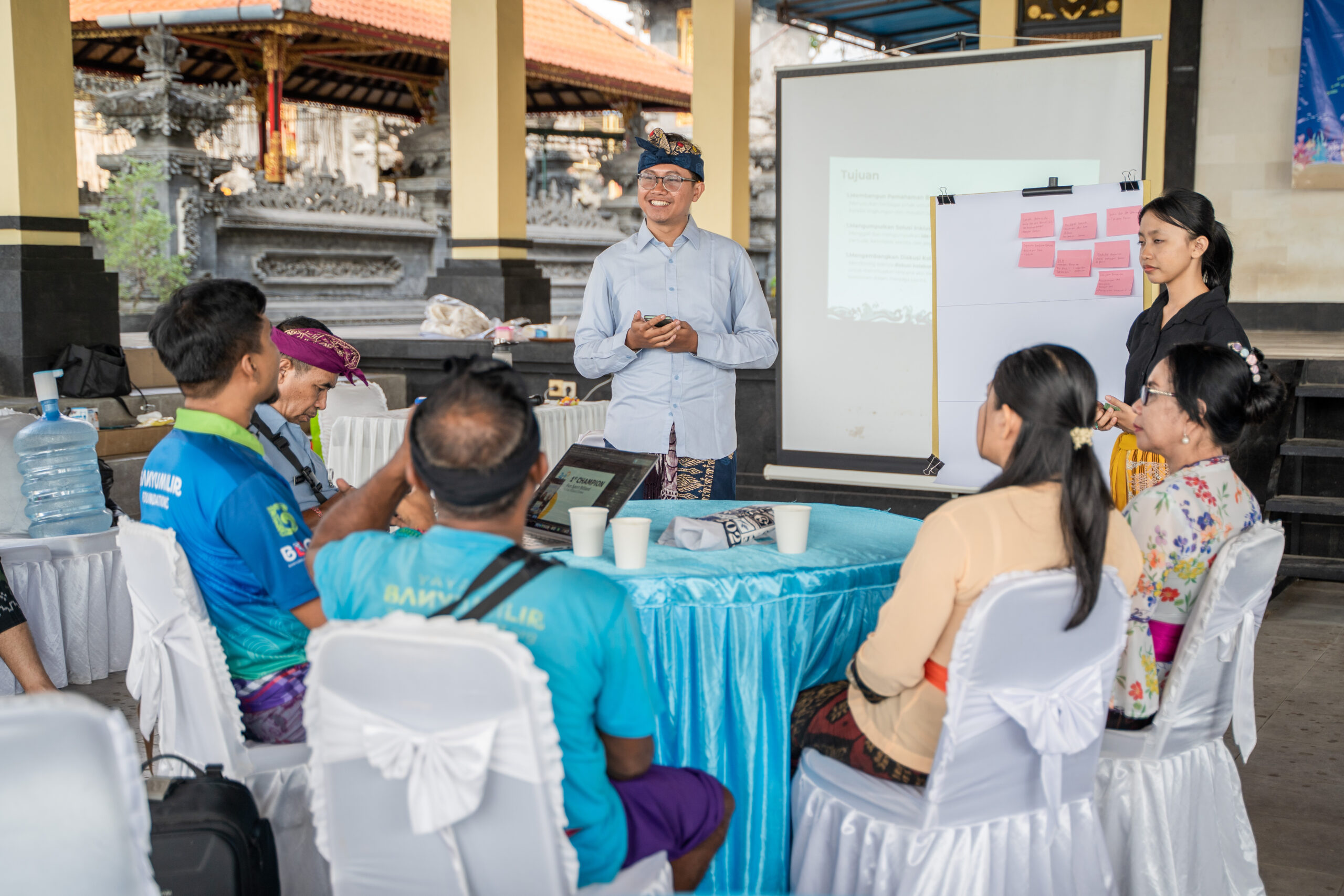
With the longest coastline in Bali at 157.05 kilometers, Buleleng Regency faces a unique environmental challenge. Lovina Beach serves as a vital habitat for endangered dolphins and fragile coral ecosystems. Yet, plastic waste from tourism and upstream rivers has posed an immediate danger.
“The consequences of this plastic pollution extend beyond ecological damage, it threatens the sustainable green economy upon which our community relies,” the AVIRAMA Foundation noted. Before this intervention, the community lacked the specific resources to implement a comprehensive, science-backed waste management solution.
A Multi-Faceted Solution: The Segara Lestari Approach
Despite the compact six-month timeline, the Segara Lestari Lovina program achieved a massive reach by integrating the Balinese philosophy of Tri Hita Karana with modern scientific survey and monitoring. The program engaged 1,068 people, including 671 women and 661 youth, proving that rapid action can lead to widespread community mobilization.
1. Scientific Baseline Data
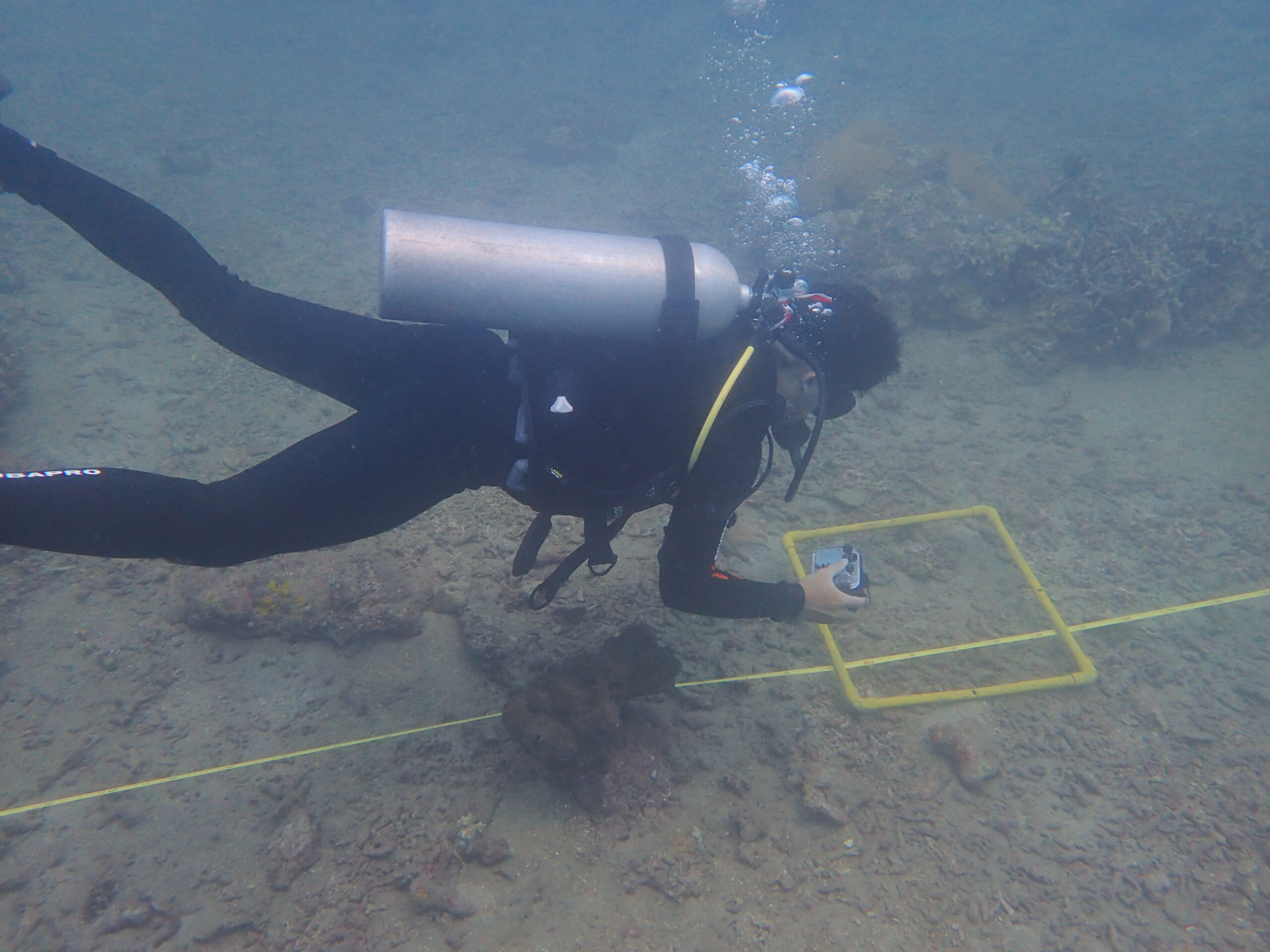
To fight pollution effectively, the program established a robust scientific baseline:
- Coral Reefs and Fish Populations: Using Underwater Photo Transects (UPT), the team recorded an average live coral cover of 52.2%. However, health varies significantly: zones near river mouths with high plastic density dropped to 42.8% cover, while undisturbed areas reached 65.5%. This stress has shifted reef composition toward resilient genera like Acropora (28%), while sensitive species remain scarce. This fragmentation is mirrored in the fish populations, dominated by the resilient Pomacentridae (63.5%), whereas sensitive indicator species like Chaetodontidae represent only 1.2%.
- Dolphin Welfare and Tourism Pressure: Observations reveal a stark correlation between tourism density and dolphin behavior. In high-pressure zones east of Kalibukbuk, where boat density often exceeds 100 vessels, only three pods were observed exhibiting signs of behavioral stress, such as avoidance maneuvers. In contrast, remote western waters hosted eight pods displaying natural behaviors like jumping and spinning. The prevalence of propeller scars and localized sightings underscores the urgent need to transition from unregulated mass tourism to a conservation-based framework.
- Avian Biodiversity & The Coastal Gap: A specialized bird survey identified 12 species and 96 individuals, revealing a skewed community structure. The population is heavily dominated by terrestrial species like the Sooty-headed Bulbul, Yellow-vented Bulbul, and Scaly-breasted Munia, which account for over 90% of sightings. While these garden and pollinator birds thrive in the “green corridor” of remaining coastal vegetation, the data revealed a concerning gap: seabirds and aquatic species represent only 6% of the population, with the Javan Pond Heron as the sole representative. This suggests the shoreline itself may be suffering from habitat degradation and constant human disturbance.
- Seagrass Meadows: A Coastal Cornerstone: Lovina’s seagrass meadows are in “good” condition with an average cover of 62.18%. They host six distinct species—representing 46% of Indonesia’s total seagrass diversity—dominated by Thalassia hemprichii. While currently robust, these meadows face threats from physical anchor scarring and reduced light penetration due to sediment and plastic runoff.
- Water Quality and the Invisible Microplastic Threat: While fundamental physico-chemical parameters (temperature, salinity, and a stable pH of 7.9) remain optimal, a pervasive threat is emerging. Microplastics were discovered at all ten sampling locations, with an average concentration of 0.178 particles per 1 ml. These particles, predominantly smaller than 50 micrometers and consisting of synthetic fibers and degraded fragments, pose a bioaccumulation risk to the entire marine food web.
2. Community Empowerment: Innovation in Outreach
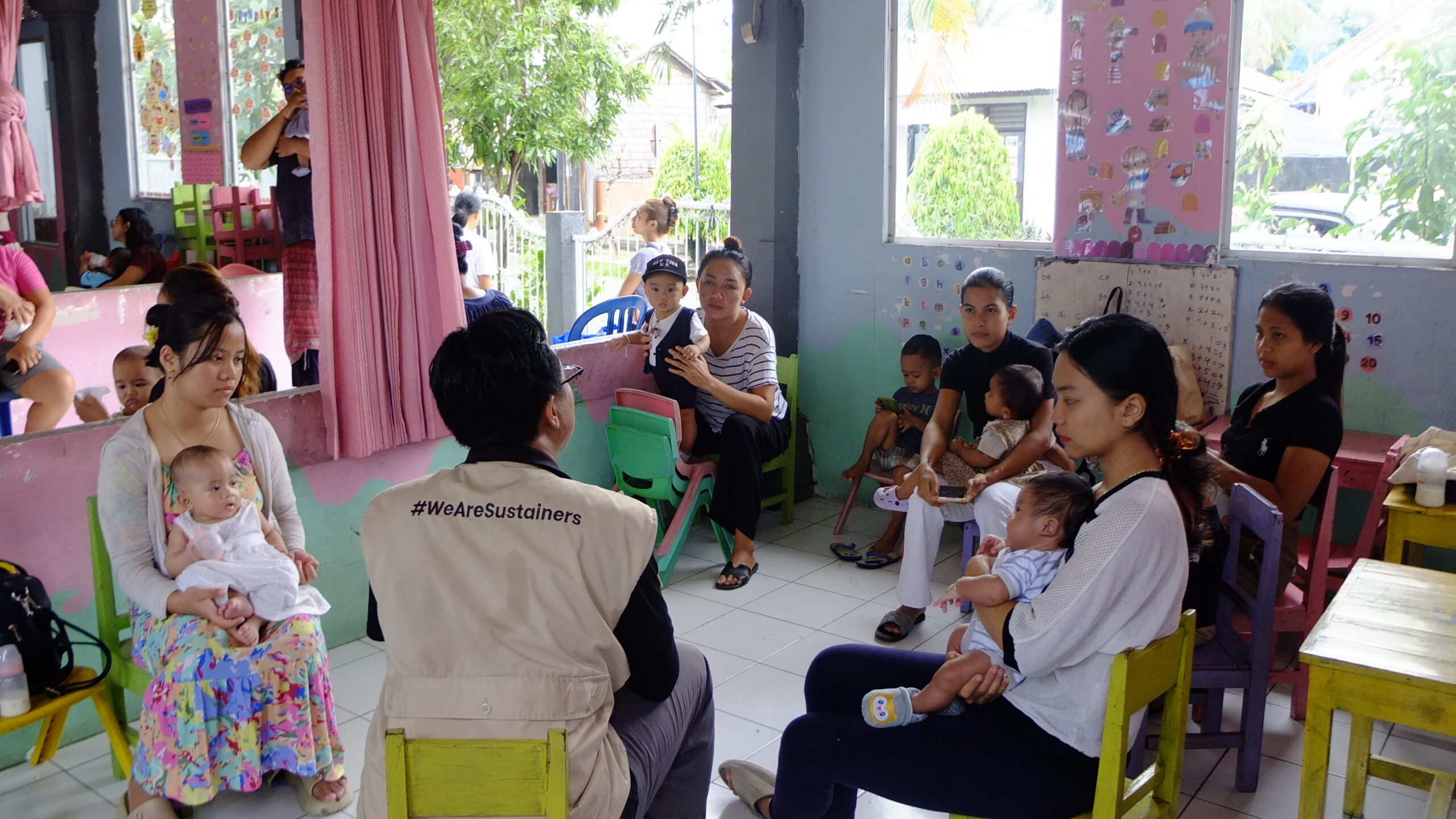
Recognizing the short timeframe, AVIRAMA used “adaptive management” to reach the community quickly. Based on our experience in gathering villagers for capacity building, the attendance rate is low. We shift the approach into “Mobile Outreach” by dong capacity building at Posyandu (Integrated Health Posts), reaching 143 housewives without disturbing the activities of village residents. Mothers discussed waste sorting and the impact of plastic on marine life while attending to their children’s health checks.
3. Educating the Next Generation: Benih Aksi Lestari
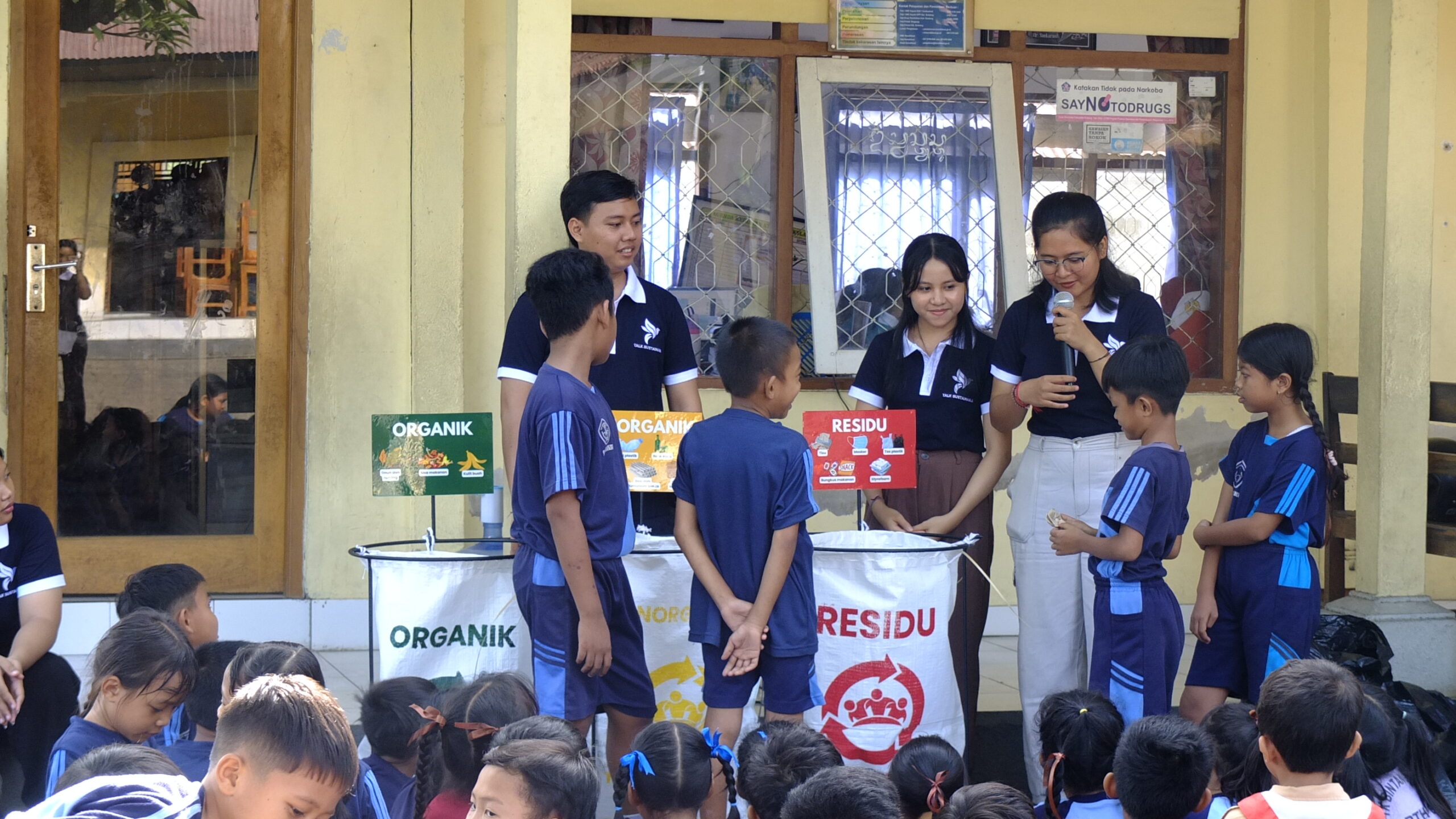
The “Benih Aksi Lestari” (Sustainable Action Seeds) initiative reached 472 students across three elementary schools. By teaching children that waste is a resource, the program planted the seeds for lifelong environmental stewardship. The program was implemented with our flagship youth community, Talk Sustainable, in collaboration with the TPS3R Mesari as the village’s waste management center. This collaboration ensures that waste sorted at school is properly managed and minimized re-mixing after sorting.
4. Direct Remediation and Scientific Clean-Ups
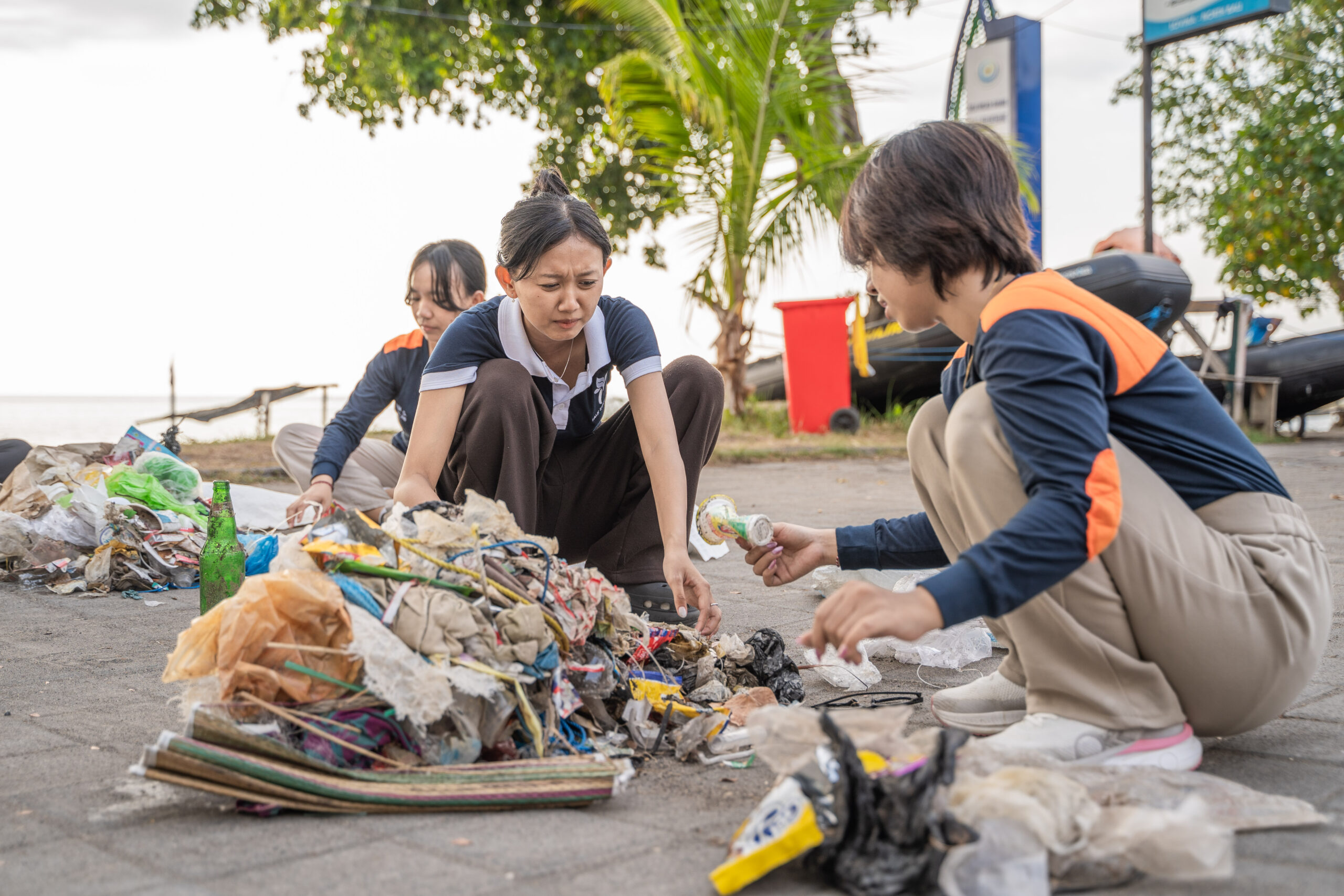
Beyond standard cleaning, the program utilized a scientific approach to track pollution. A major clean-up in October, involving Ganesha University of Education students, revealed a waste density of 0.59 items per square meter. The composition was dominated by single-use plastics (33.6%) and textiles (29.2%), officially categorizing the area’s ecological status as “unclean” and highlighting the critical need for systemic change.
Establishing a Circular Economy Pipeline

A landmark achievement of this six-month sprint was the formal partnership with TPS3R Mesari. AVIRAMA established a functional “upstream-to-downstream” pipeline:
- Infrastructure: Specialized trash cans were provided to schools.
- Logistics: Sorting protocols were aligned so that waste from students and the beach was professionally processed at the TPS3R facility rather than being discarded in landfills.
- Policy Integration: The program successfully integrated Kalibukbuk Traditional Village waste regulations into our educational curriculum, ensuring educational efforts are backed by local law.
The Digital Future: A Guide for Responsible Tourism
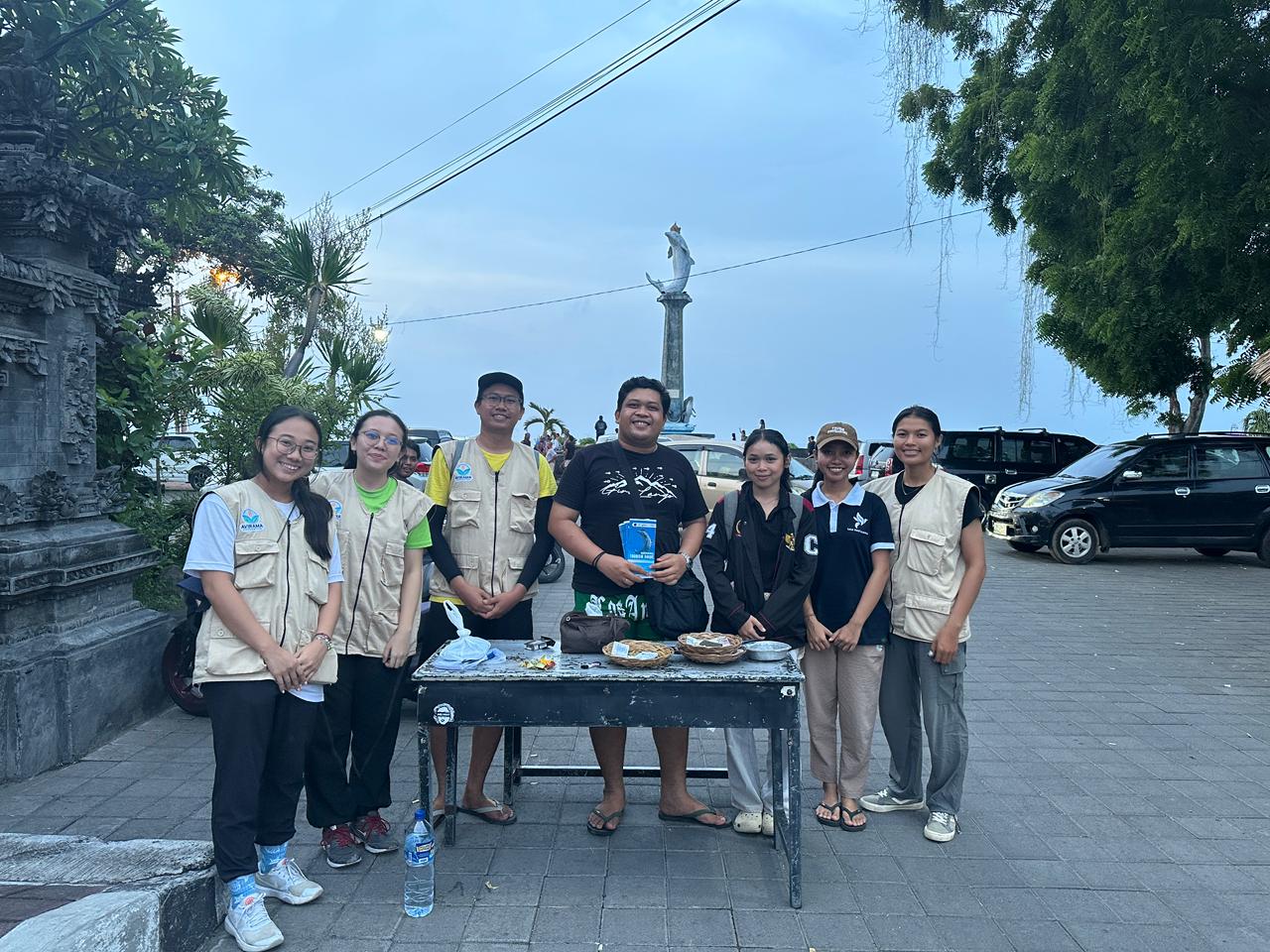
To ensure the program’s legacy outlasts the funding period, AVIRAMA launched a Digital Environmental Guide. Accessible via QR codes on trifold brochures that has been distributed in the entrance of Lovina Beach, the guide provides:
- Biodiversity infographics covering dolphins, coral, seagrass, and the terrestrial birds of Lovina.
- Scientific data on microplastics and coastal health.
- Tips for plastic-free tourism and responsible dolphin watching.
- Explanations of local waste management regulations that visitors must follow.
Lessons Learned: A Foundation for the Future
The Segara Lestari Lovina program, fueled by GPAP and the Government of Canada, proved that a focused, six-month intervention can transform a community’s environmental trajectory. For the AVIRAMA Foundation, this inaugural year has been a masterclass in operational flexibility—from pivoting to “mobile outreach” to aligning with village-level governance. While the formal funding has concluded, the infrastructure, the scientific data, and the community spirit it ignited will continue to protect Lovina’s blue horizon for years to come.
The AVIRAMA Foundation extends its deepest gratitude to the Buleleng Regency Government—including the Environmental, Tourism, and Fisheries Agencies—for their vital regulatoRy support, and to our dedicated community partners, including the Souvenir Traders, CBKS Dolphin Snorkeling Organization, Pokmaswas Banyumilir, Banyumilir Foundation, TPS3R Mesari, Kalibukbuk Village Office, TP PKK, the Posyandu Team, Sekaa Truna Mudita, local schools, Taksu Reuse, and Pak Hendrawan from Faculty of Marine and Fisheries, whose collective spirit and local expertise were the heartbeat of the Segara Lestari Lovina program.
Be the Change for Lovina
“Once the community feels they are the architects of the movement, the project gains its own momentum.” — AVIRAMA Foundation
Support the Vision: Scan the QR codes found at Lovina Beach entrance points or visit the AVIRAMA Foundation website. Learn how you can travel responsibly, support local waste-sorting initiatives, and help us turn the tide against plastic pollution. Together, we can ensure Lovina remains a sanctuary for dolphins and a paradise for generations to come.
Pingback: The Waste Management Hierarchy as a Moral Compass for Waste Problem and Public Health - Avirama Foundation