
Digital Environment Guide
Lovina Beach, with its rich coastal and marine biodiversity, is facing increasing pressure from plastic pollution. This digital guide highlights community-based actions, eco-friendly travel tips, and ongoing efforts to protect and restore the area’s natural beauty.
Coastal and Marine Biodiversity
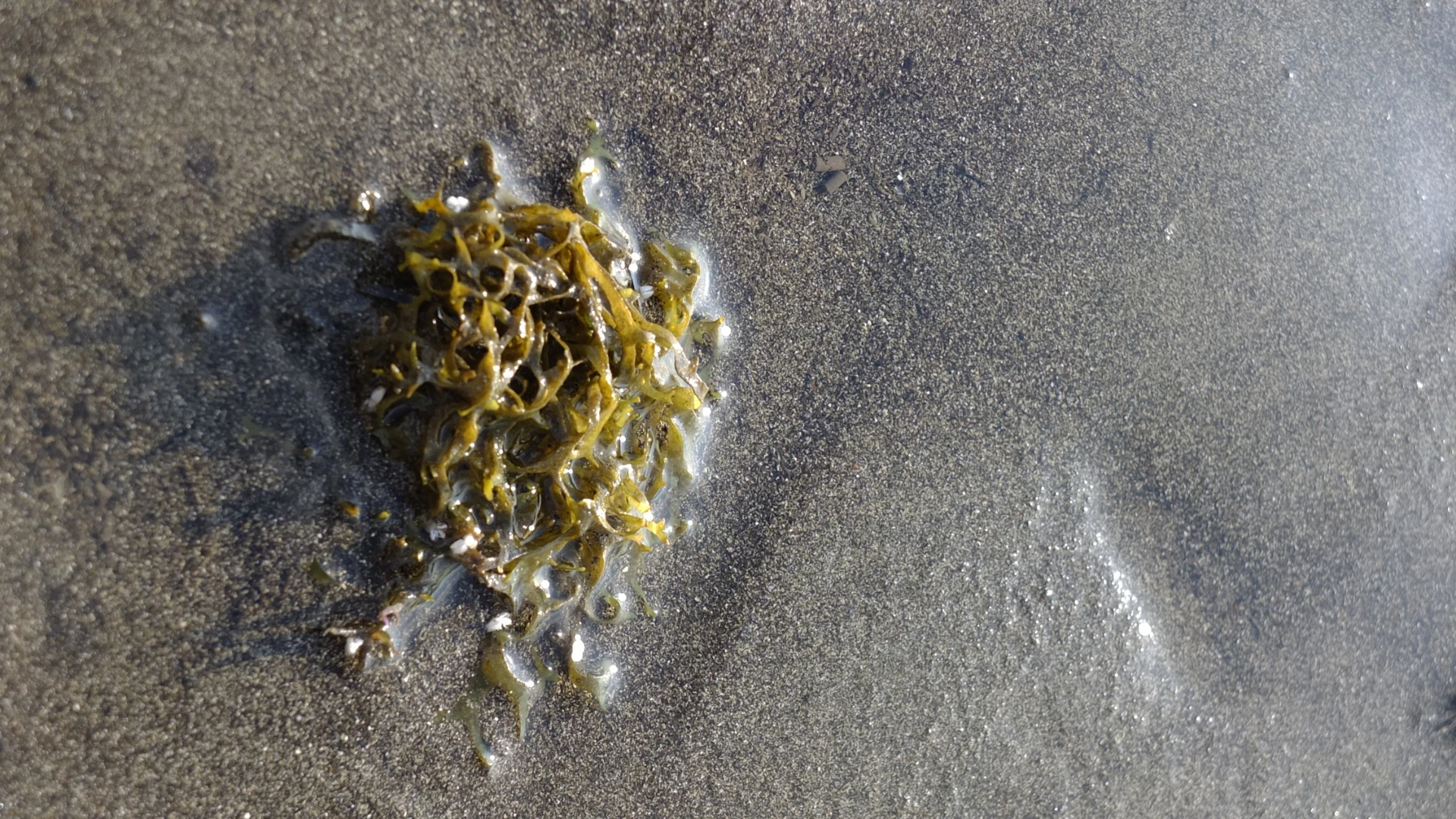
Seagrass Beds
Fish and Coral Reefs
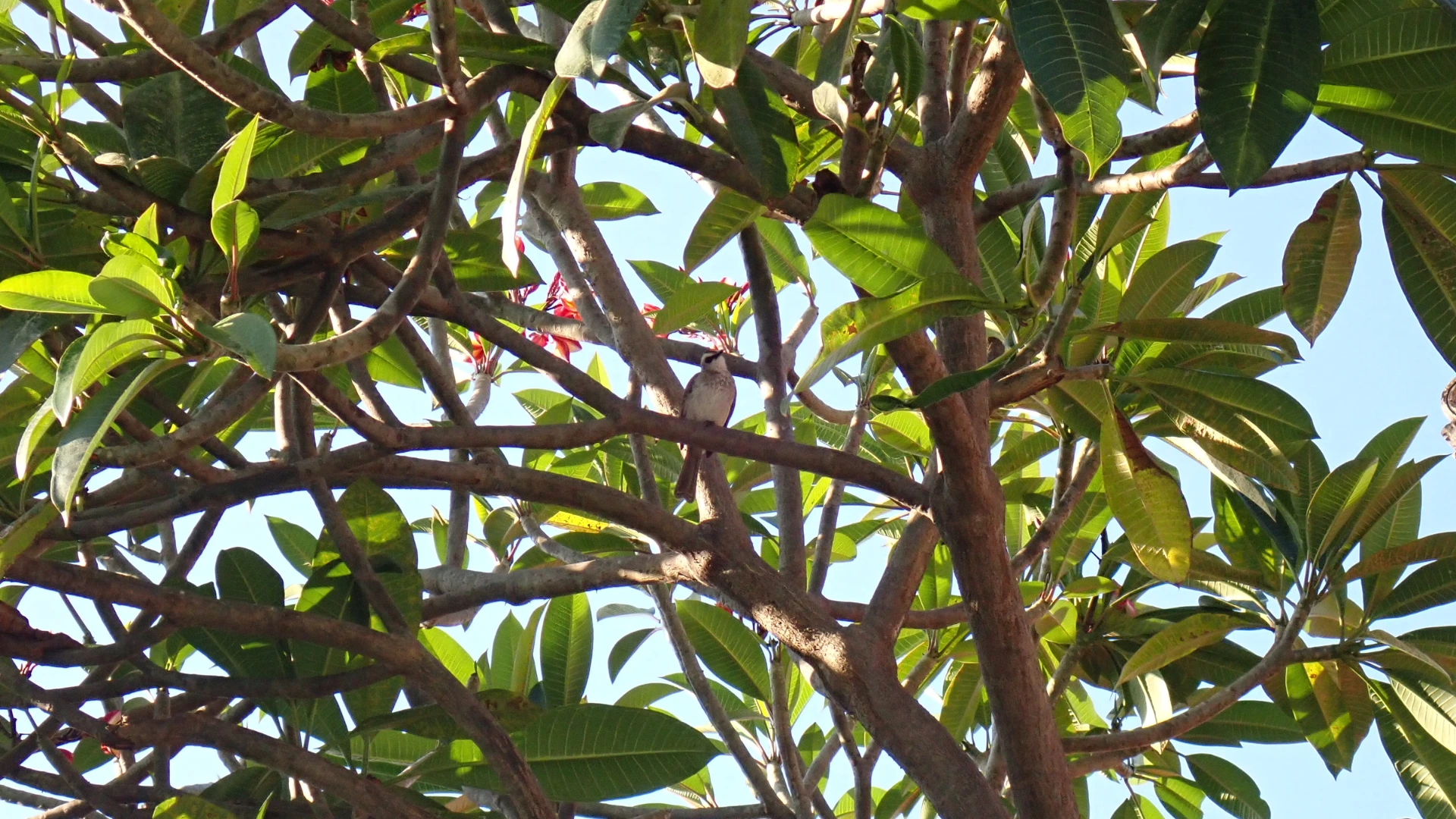
Seabirds
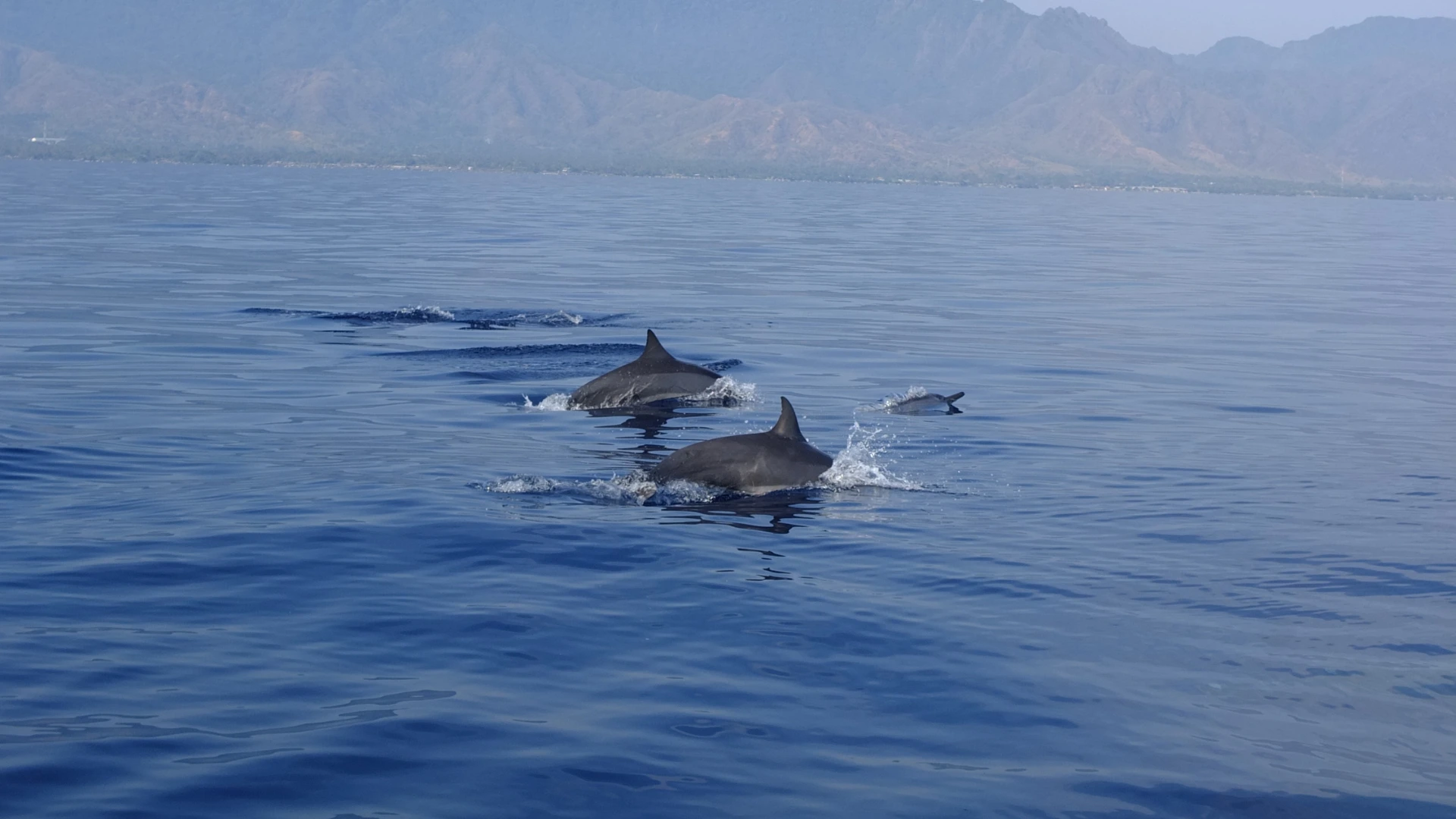
Dolphin
Campaign Against Plastic Pollution
Efforts to combat plastic pollution at Lovina Beach are being strengthened through community-led initiatives and practical eco-friendly travel tips that empower both locals and visitors to take part in preserving the area’s natural beauty.
Hidden Threat
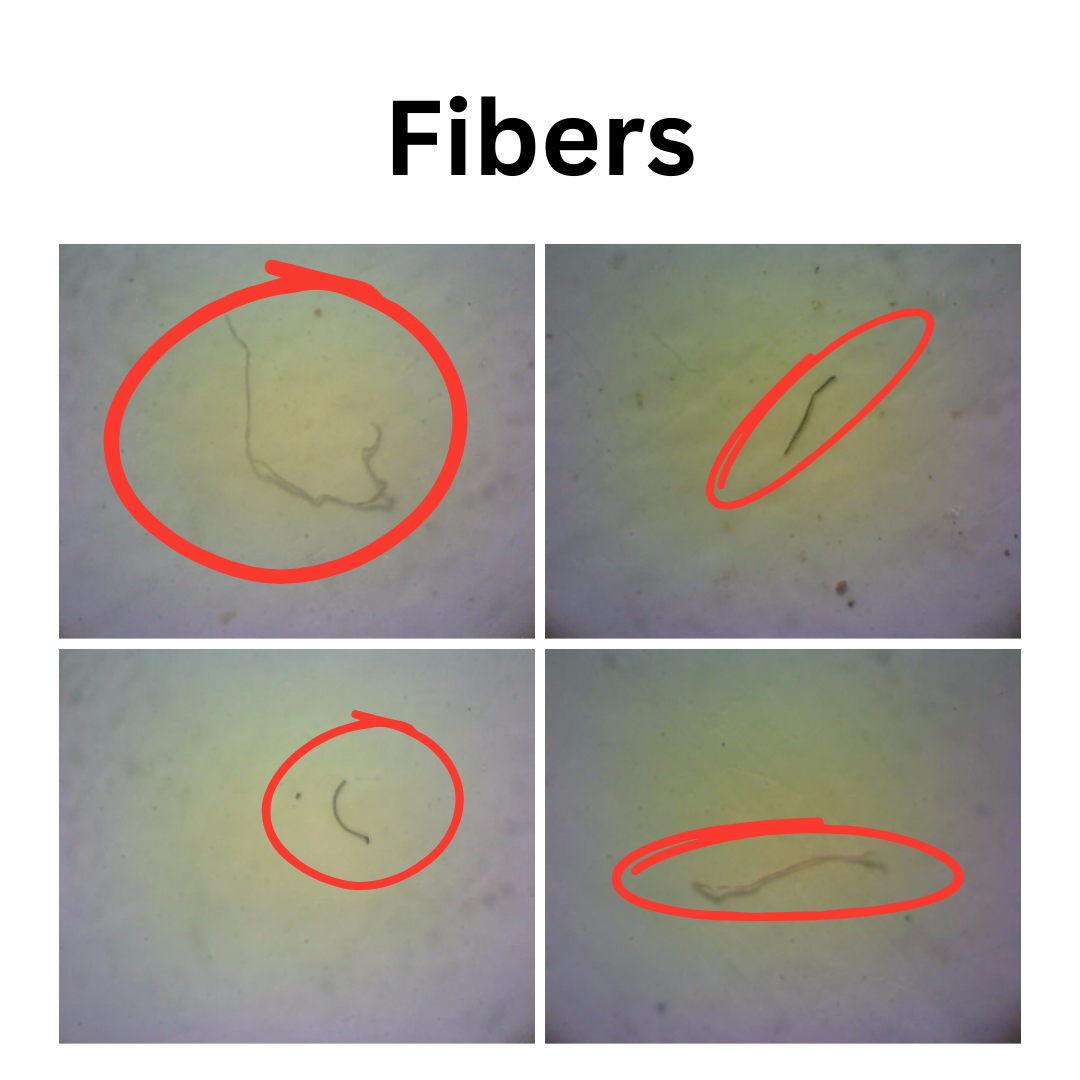
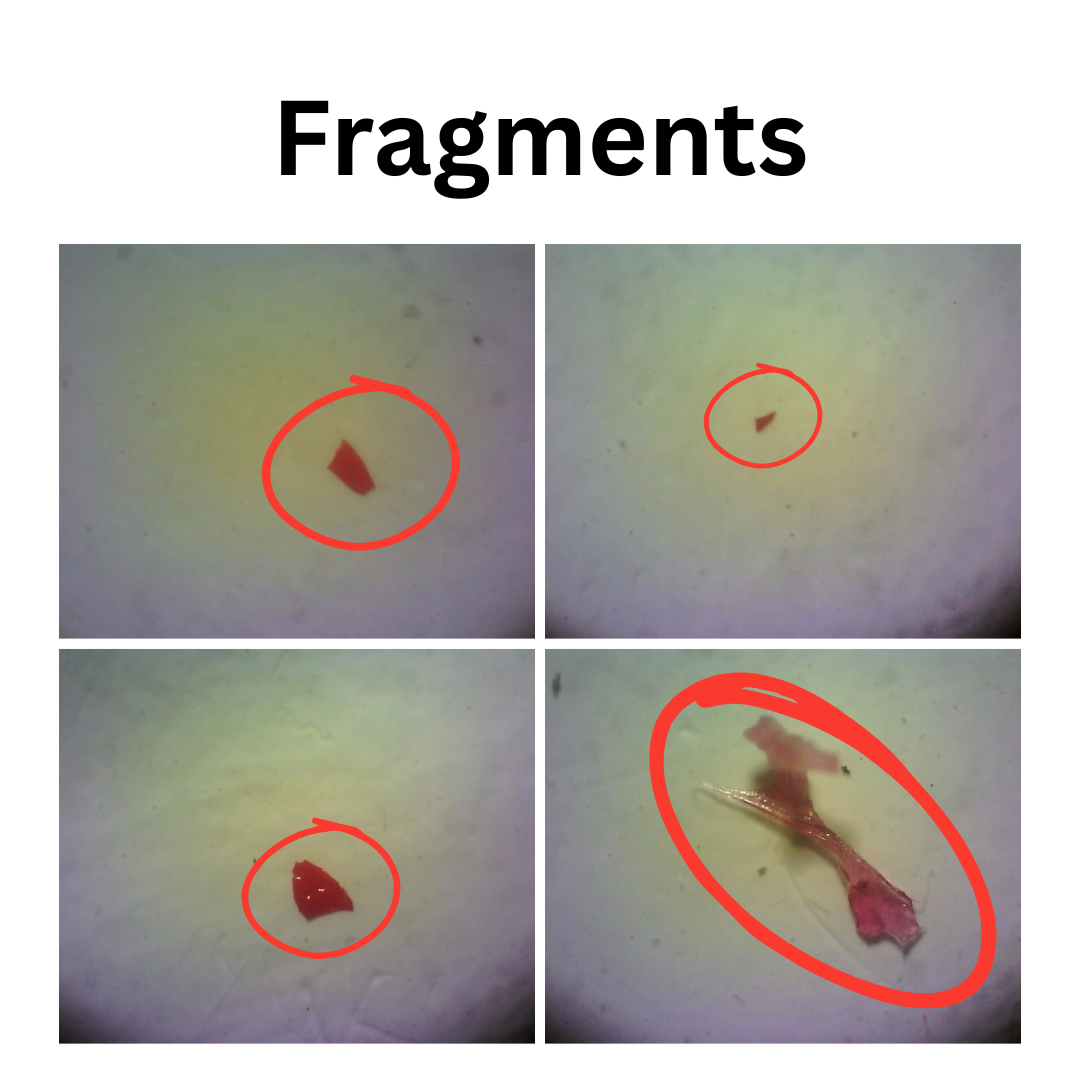
Although water quality parameters (Temperature, pH, Salinity) indicate a relatively good condition for Lovina’s marine environment, the detection of microplastics in all samples—dominated by tiny fibers (< 50 µm) and fragments, signals a persistent pollution threat that requires immediate action.
The Need for Collective Action
Given the biodiversity potential threatened by plastic pollution, collective action and commitment are imperative from all stakeholders, including the government, communities, academics, and local residents.
Current Condition of Lovina Beach
Generally, the seawater quality survey results indicate that the marine ecosystem around Lovina Beach is still in relatively good condition to support marine life. Key parameters such as Temperature (ranging from 28.9 to 29.9°C) and Salinity (ranging from 33.8 to 38.3) fall within the normal range for tropical waters. The stable pH level of the seawater, averaging around 7.9, suggests the water is not experiencing extreme acidification that could harm corals or other organisms. However, the level of Dissolved Oxygen (DO) shows some variation, which needs further monitoring as oxygen is crucial for the overall health of the marine ecosystem. Overall, Lovina’s seawater is still capable of sustaining local marine life, but pressures from surrounding activities must be managed to maintain this quality.
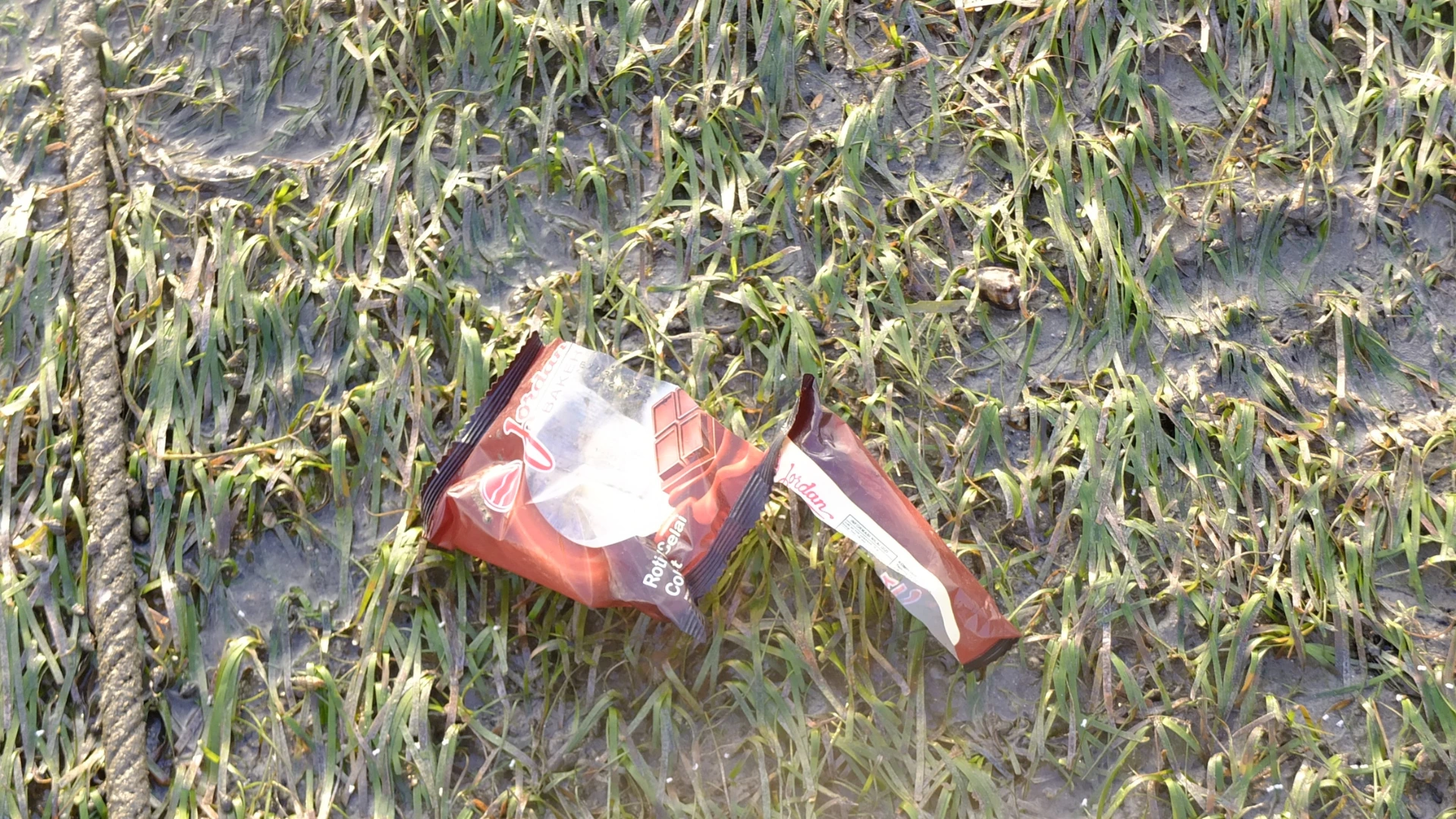
Although the water quality appears to be favorable, the microplastic assessment reveals a widespread, hidden threat across all 10 sampling locations. Our team found that microplastic particles were present in all seawater samples. On average, we detected approximately 0.178 microplastic particles per 1 ml of water tested. The vast majority of these particles were tiny, measuring less than 50 micrometers —much smaller than a grain of salt—making them invisible to the naked eye. The most dominant shapes found across all samples were fibers and fragments. Fibers typically originate from the washing of synthetic clothing or degraded fishing nets, while fragments result from the breakdown of larger plastics such as snack packaging, plastic bottle, plastic straws, and plastic cups. The presence of such tiny microplastics poses a significant risk as they are easily ingested by the smallest marine organisms, allowing this pollution to enter the food chain, eventually reaching the fish we consume.
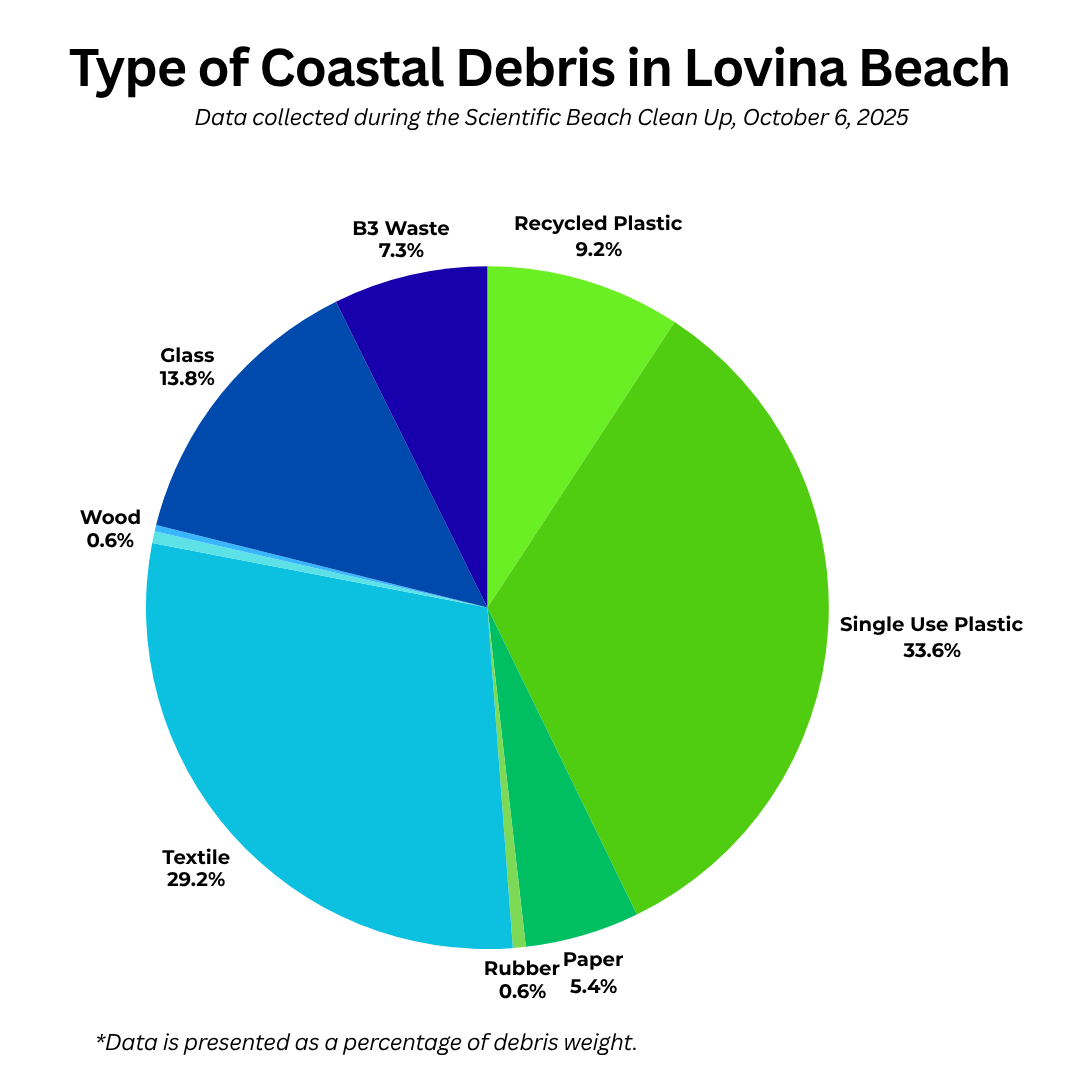
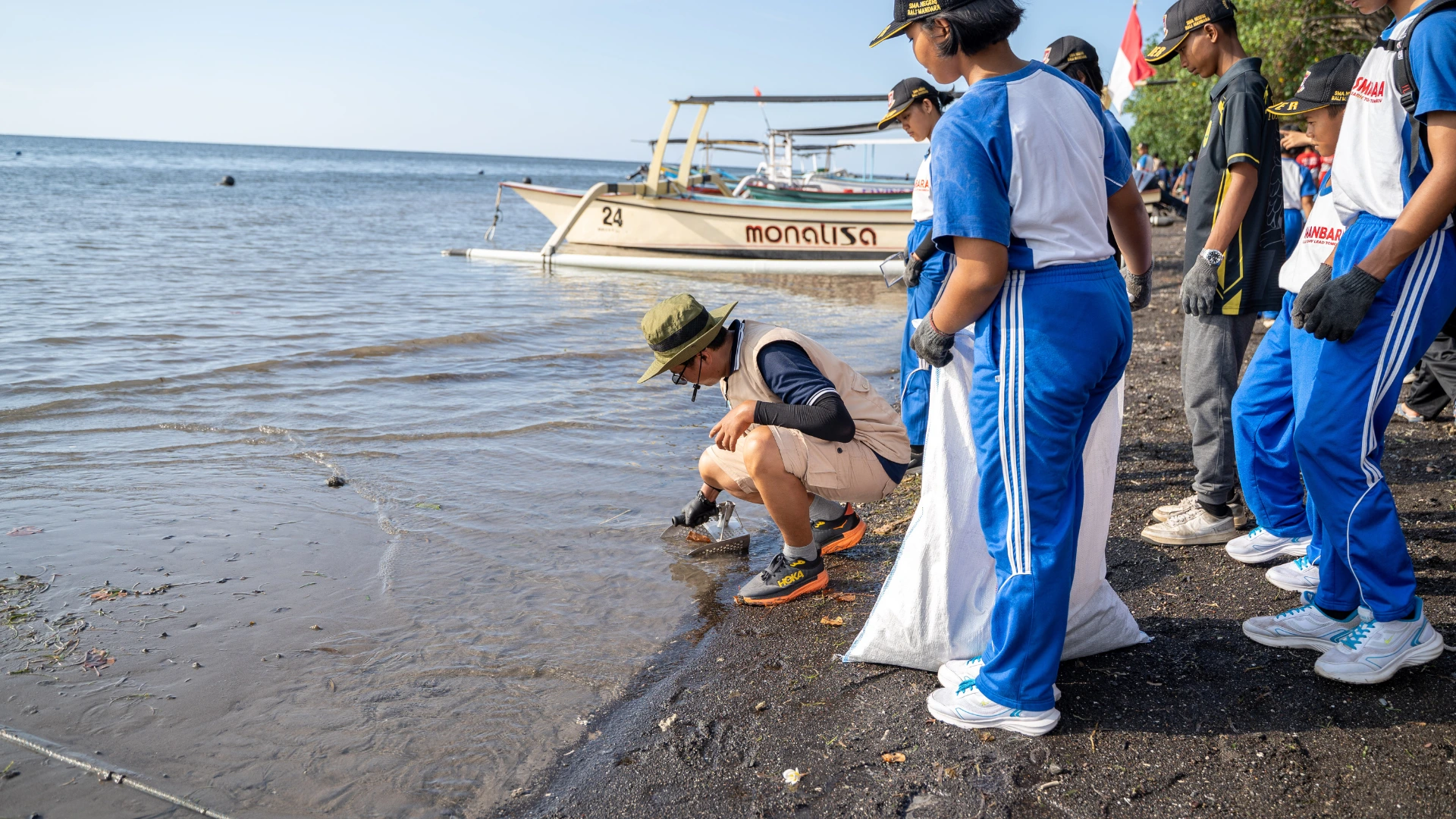
On October 6, 2025, we launched a unique clean-up at Lovina Beach that went beyond simply picking up trash; we used a scientific approach to collect crucial data. Working with Talk Sustainable Community and students from Universitas Pendidikan Ganesha, we divided the beach into specific measured sections (transects) to identify and weigh every single item of debris. This detailed method revealed an alarming truth: the density of waste on the beach is 0.59 items per square meter, indicating an officially “unclean ecological condition.” The total amount of trash collected was substantial, weighing in at over 11 kilograms for all transect area. This data-driven approach allows us to pinpoint exactly what is polluting Lovina and where it is coming from, moving us closer to sustainable solutions.
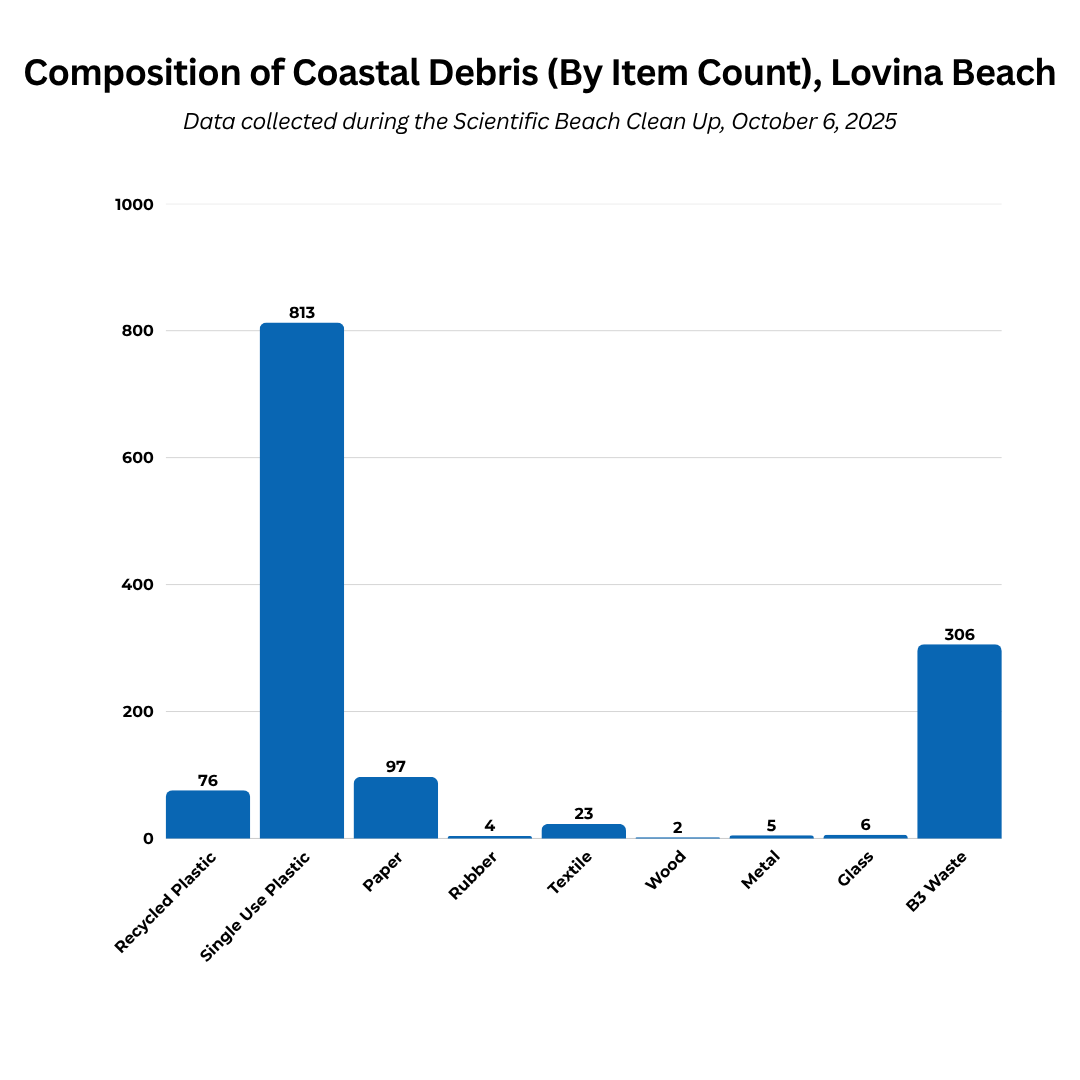
The scientific data clearly identifies the primary source of pollution, both by weight and by item count. When measured by weight, the biggest problem is Single-Use Plastic, which makes up a staggering 33.6% of the total debris, followed closely by Textile waste at nearly 30% (29.2%). However, when measured by item count, the dominance of single-use plastic becomes even clearer. Single-Use Plastic accounts for an overwhelming 61.0 % of all items collected (813 items). The second largest group by count is B3 Waste (Hazardous and Toxic Waste) at 23.0% (306 items). This contrast emphasizes the dual problem: the beach is choked by a huge volume of single-use items, while simultaneously dealing with heavy textile pollution and the risk posed by hazardous B3 waste. The root causes of this accumulation stem largely from suboptimal waste management on land, with waste being carried into the sea via runoff, especially during the rainy season, and direct disposal from both tourism and local settlements. The data confirms that targeted action on single-use items and improved waste infrastructure are essential steps to restoring Lovina’s balance.
Community-Based Action
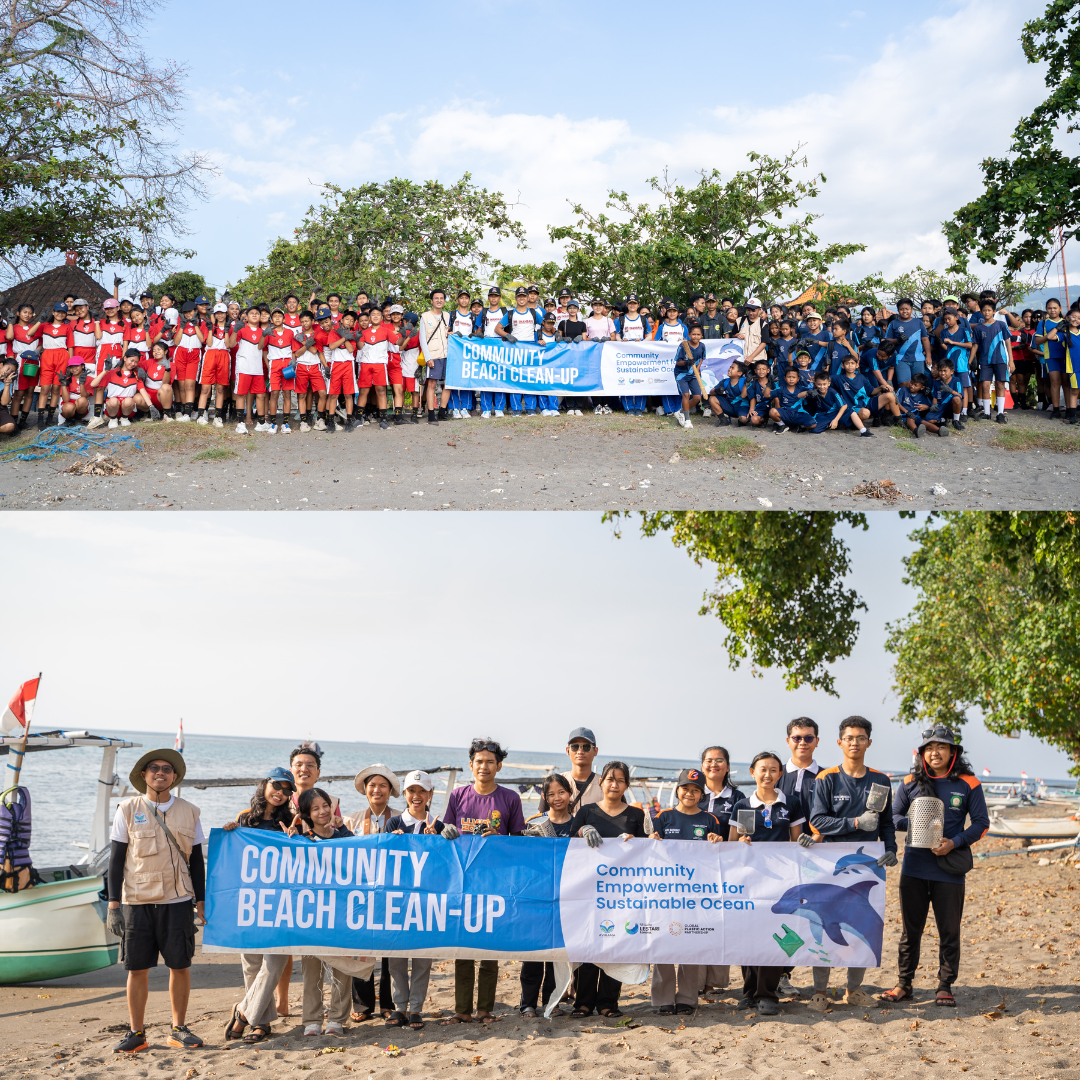
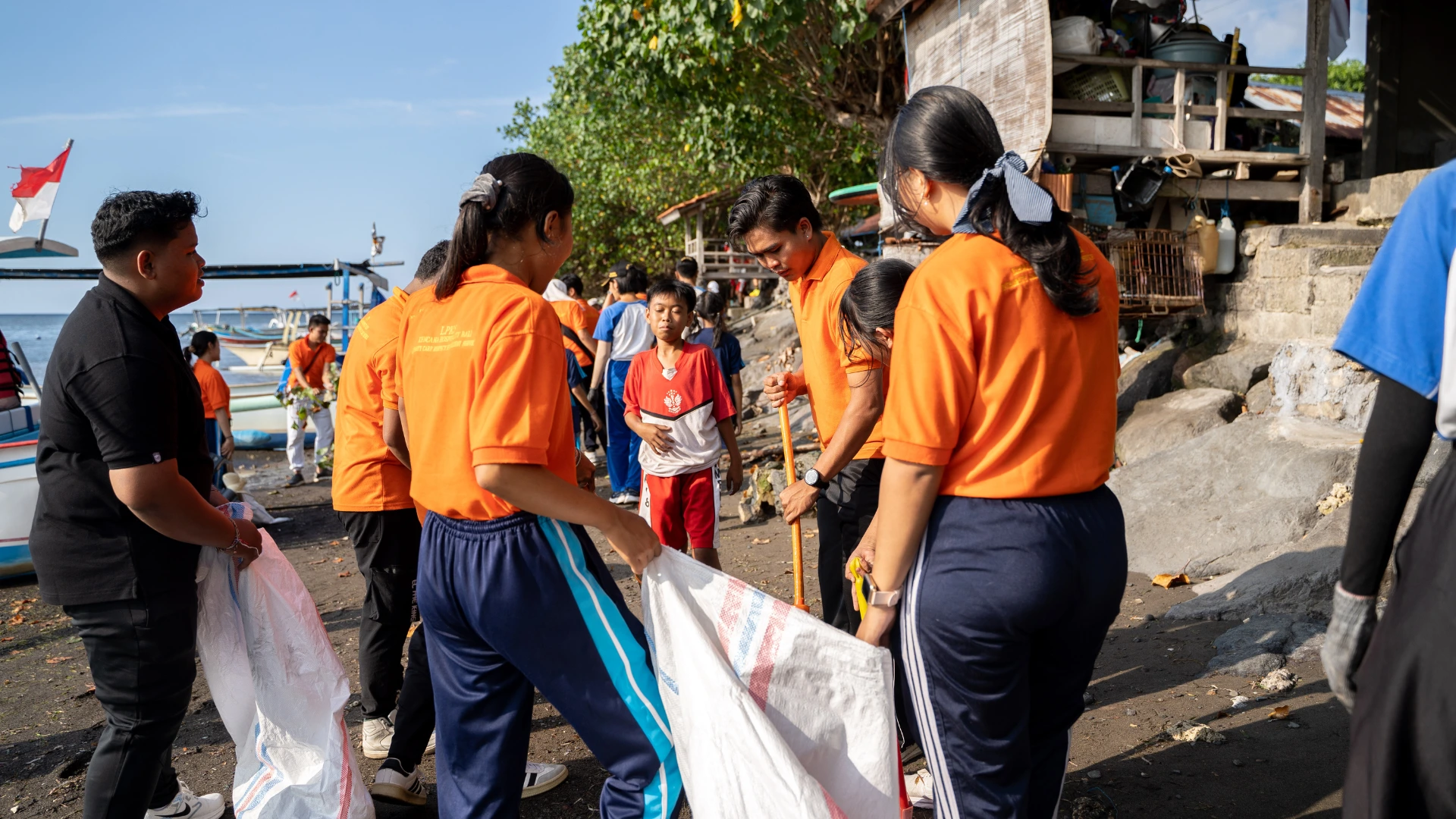
Community Beach Clean-Up
The local communities at Lovina Beach—including the Banyumilir Community Monitoring Group (Pokmaswas) and local organizations like the Dolphin Watching and Snorkeling Organizations and the Souvenir Vendors Organization—have consistently demonstrated their commitment by routinely holding “Jumat Bersih” (Clean Friday) sessions to clear the beach of debris. However, these dedicated efforts alone face severe, ongoing challenges, primarily the lack of awareness among visitors regarding proper trash disposal and sorting, which is compounded by the seasonal threat of “sent-in” marine debris during the rainy season. This accumulated floating trash becomes a critical issue, severely fouling the beach and directly reducing tourist interest in visiting, thus necessitating a strategic, expanded response beyond weekly local efforts.
In response to these persistent threats, the AVIRAMA Foundation has taken the initiative to mobilize a large-scale Community Beach Clean Up focused specifically on critical periods, such as when major influxes of marine debris arrive. This action is crucial not only for clearing trash but for building long-term awareness. This initiative deliberately extends beyond the core Lovina community by engaging a wide range of stakeholders, including primary schools in Kalibukbuk Village, Youth Groups (Sekaa Truna), tourism schools and training centers, and relevant Local Government agencies. This collective action is a vital, long-term investment that requires the support of all parties to ensure Lovina Beach remains not only beautiful and resilient but also a sustainable environment for its dolphins and entire ecosystem for generations to come.
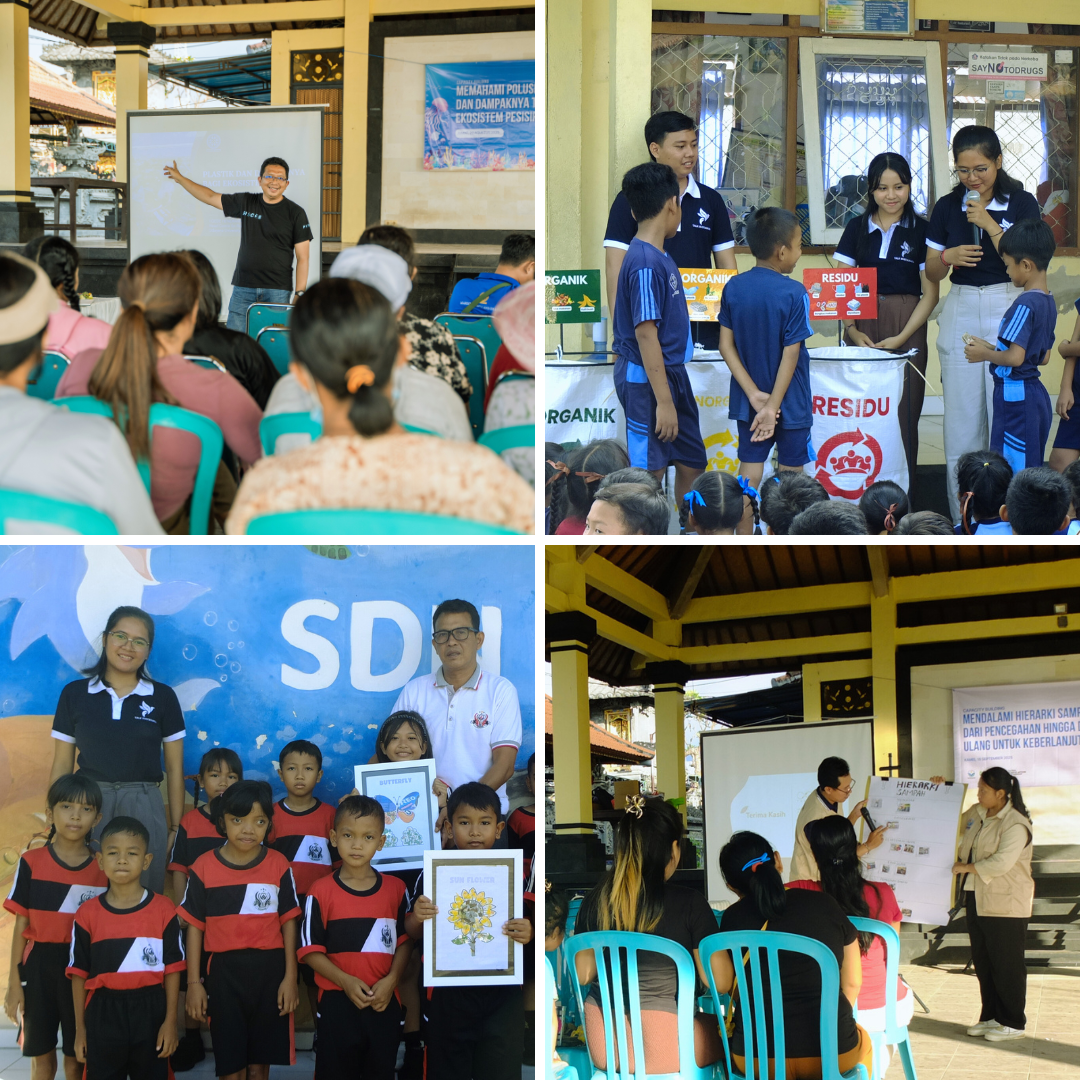
Comprehensive Capacity Building
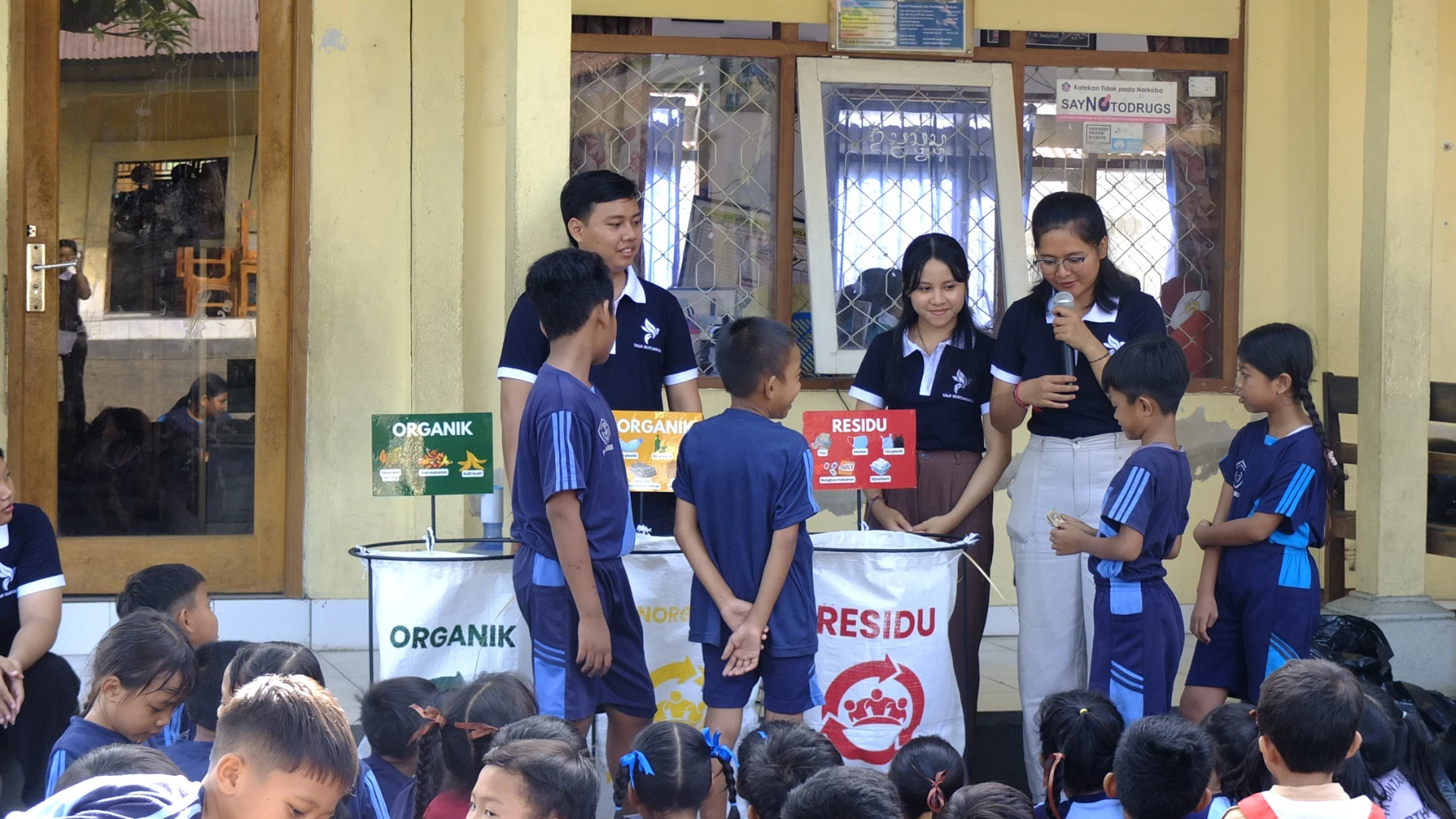
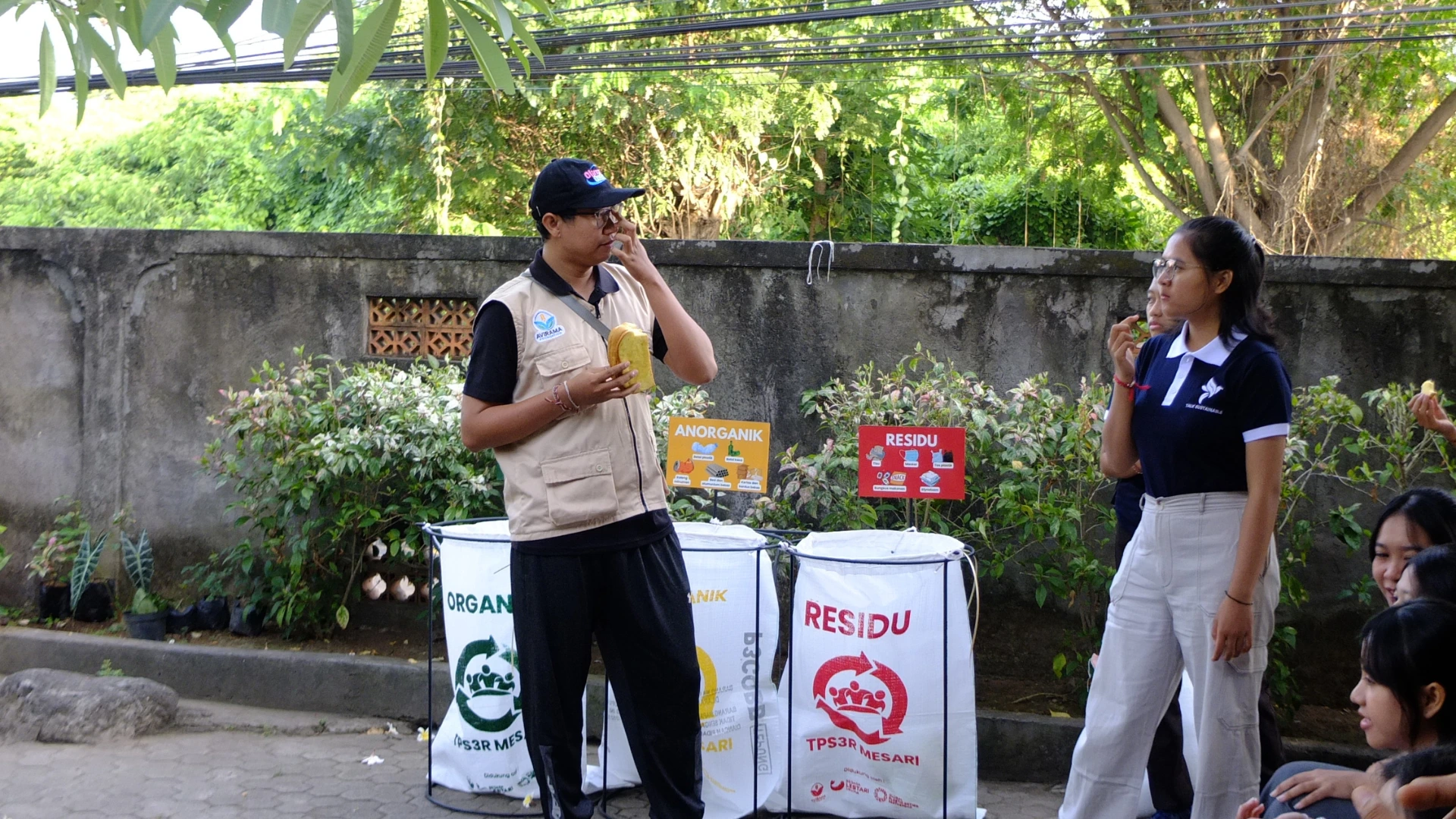
To effectively execute our collective action, a deep understanding of current conditions and the threat of plastic pollution to Lovina’s coastal biodiversity is essential. Therefore, we are implementing comprehensive capacity-building strategies across multiple channels to reach a wider audience of stakeholders crucial for maintaining Lovina’s sustainability. We have successfully run two capacity-building programs, specifically inviting diverse groups such as the TP PKK Women’s Group, Youth Groups (Sekaa Truna), restaurant staff, stall and souvenir vendors, and TPS3R waste management staff. These sessions provide in-depth understanding, ranging from the harmful impact of plastic pollution on marine biodiversity to the practical hierarchy of waste management. This ensures that every key player in the community understands their role in safeguarding the environment.
Beyond targeted training sessions, we are fostering practical change at the grassroots level. In partnership with the TPS3R (Waste Management Facility) and our foundation’s community arm, Talk Sustainable, we are implementing the “Benih Aksi Lestari” (Seeds of Sustainable Action) program. This initiative focuses on practical education for students across four elementary schools in Kalibukbuk Village, teaching them correct waste sorting techniques and instilling an understanding of why a clean environment is vital for biodiversity. This capacity-building and educational approach will be ongoing and continually expanded to reach broader targets. Our ultimate goal is to cultivate improved behavior in waste management and resource protection, leading to long-term, positive change for Lovina Beach’s coastal biodiversity.
Be a Responsible Visitor: Lovina Beach Waste Regulations
As part of the Kalibukbuk Traditional Village, we appreciate your help in keeping our environment, beaches, and waters pristine. Please follow these key local regulations during your visit (Based on Peraturan Desa Kalibukbuk No. 3 Tahun 2025).
Your Mandatory Obligations and Prohibitions
To preserve our environment, all visitors and temporary residents must adhere to strict local waste rules. The fundamental obligation for everyone—including individuals, households, and businesses—is the mandatory sorting of waste according to its type before collection. Please note that any waste that remains mixed will not be transported or collected by the management unit. Furthermore, it is strictly forbidden to dispose of trash in unauthorized locations , which includes public areas , rivers , irrigation channels/ditches (got) , or any other non-designated dumping site. Lastly, it is prohibited to burn waste especially plastic/inorganic waste. If you are a long-term renter, you are obliged to ensure that the monthly service levy is paid.Sanctions and Penalties for Violations
Violations of these regulations are subject to sanctions imposed by the Traditional Village Authorities (Prajuru Adat). Severe violations, such as illegal dumping or burning in prohibited areas , are first met with a Warning (Teguran). These can escalate to a Social Sanction, which involves the public posting of the violator’s photo for 30 days , as well as the issuance of Fines (Denda) in money or other forms, as regulated by the local By-Law (Perarem Desa Adat). For individuals who fail to pay the waste levy, services will be immediately suspended, and they are prohibited from discarding waste at the site provided by the manager. Minor issues, such as mixing waste, are reported to the Waste Management Unit Manager.
- How You Can Help and The Local System
Your active participation strengthens the local system, which is committed to source-based waste management. We encourage all visitors to reduce the use of single-use plastics. The Village provides Incentives (Awards/Subsidies) to residents and groups who innovate in source-based waste management and report violations. If you witness a severe violation, you are encouraged to report it to the Unit Manager for escalation to the Prajuru Adat; the identity of the reporter is guaranteed to be confidential. Ultimately, your adherence to these rules supports the entire system, including the provision of Compensation (such as health costs or relocation) to residents negatively affected by final waste processing.
Eco-Friendly Travel Tips
Efforts to combat plastic pollution at Lovina Beach are being strengthened through community-led initiatives and practical eco-friendly travel tips that empower both locals and visitors to take part in preserving the area’s natural beauty.
Choose Ethical Dolphin Watching and Protect Marine Life
Opt for tour operators who prioritize the welfare of the dolphins and the marine environment. A truly responsible operator will: Maintain a safe, regulated distance and avoid chasing, crowding, or encircling the dolphins. Limit the time spent at one sighting to minimize stress. Crucially, do not dispose of any trash into the ocean during boat tours, snorkeling, or diving. Always carry your waste back to shore for proper disposal, protecting the dolphins and coral reefs from harmful pollution.
Use Reef-Safe and Biodegradable Products
Switch to reef-safe sunscreen (free from oxybenzone and octinoxate) and biodegradable toiletries. Harmful chemicals in conventional products can severely stress and bleach coral reefs and other marine life. These small choices are vital to protect the delicate underwater ecosystem.
Support Local and Low-Impact Tourism
Maximize the positive impact of your visit by supporting the community. Stay in locally-owned guesthouses, dine at small warungs, and join community-led tours. Your money will directly benefit local residents and help reduce the environmental and social footprint often associated with mass tourism.
Drastically Reduce Plastic Waste and Sort Your Trash
Bring your own reusable water bottle, shopping bag, and utensils to eliminate single-use plastics. More importantly, always dispose of your trash properly and sort it according to the available categories (e.g., plastic, paper, organic). Proper waste segregation is essential to ensure that recyclables do not end up polluting the ocean.

Travel Slowly and Mindfully
Reduce your overall environmental footprint by spending more time in one place and utilizing public transportation or walking. Traveling mindfully, connecting with the destination, and reducing the frequency of flights helps preserve the region's natural beauty for future generations.